Media Gallery
Media Gallery — Great House Farm (Tŷ Mawr), Llandough. Photographs, film stills, video and broadcast captures of the farm, arranged by type and date. Every item is evidence first: open an image to see it full size. Files are served directly from the family’s public GitHub archive (unclehowell/datro), pinned to a fixed commit so each link always shows the same file. Filenames and dates are as catalogued in the archive and have not yet all been verified. Undated items are marked 0000-00-00 in the archive and are listed here as Date unknown.
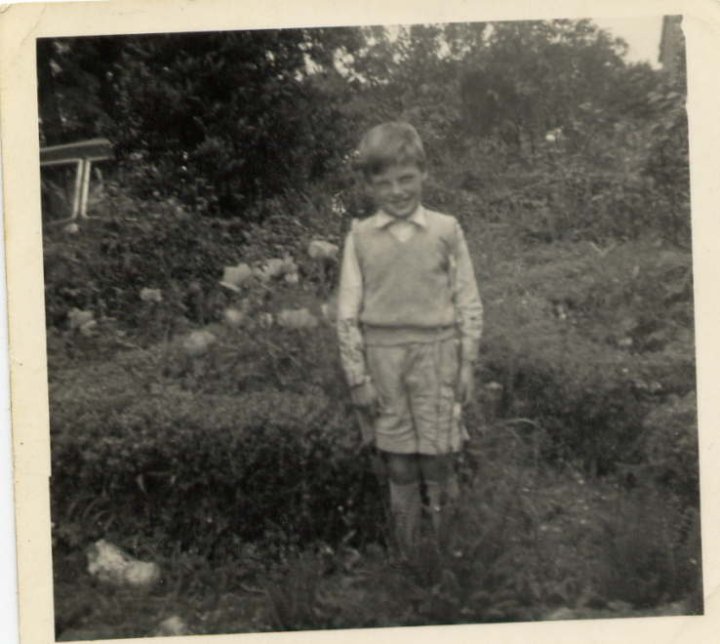
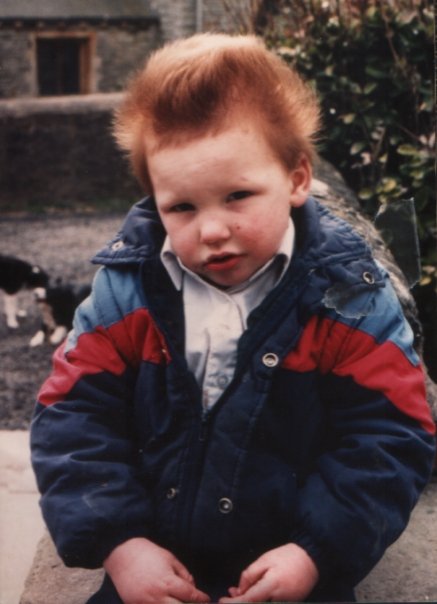
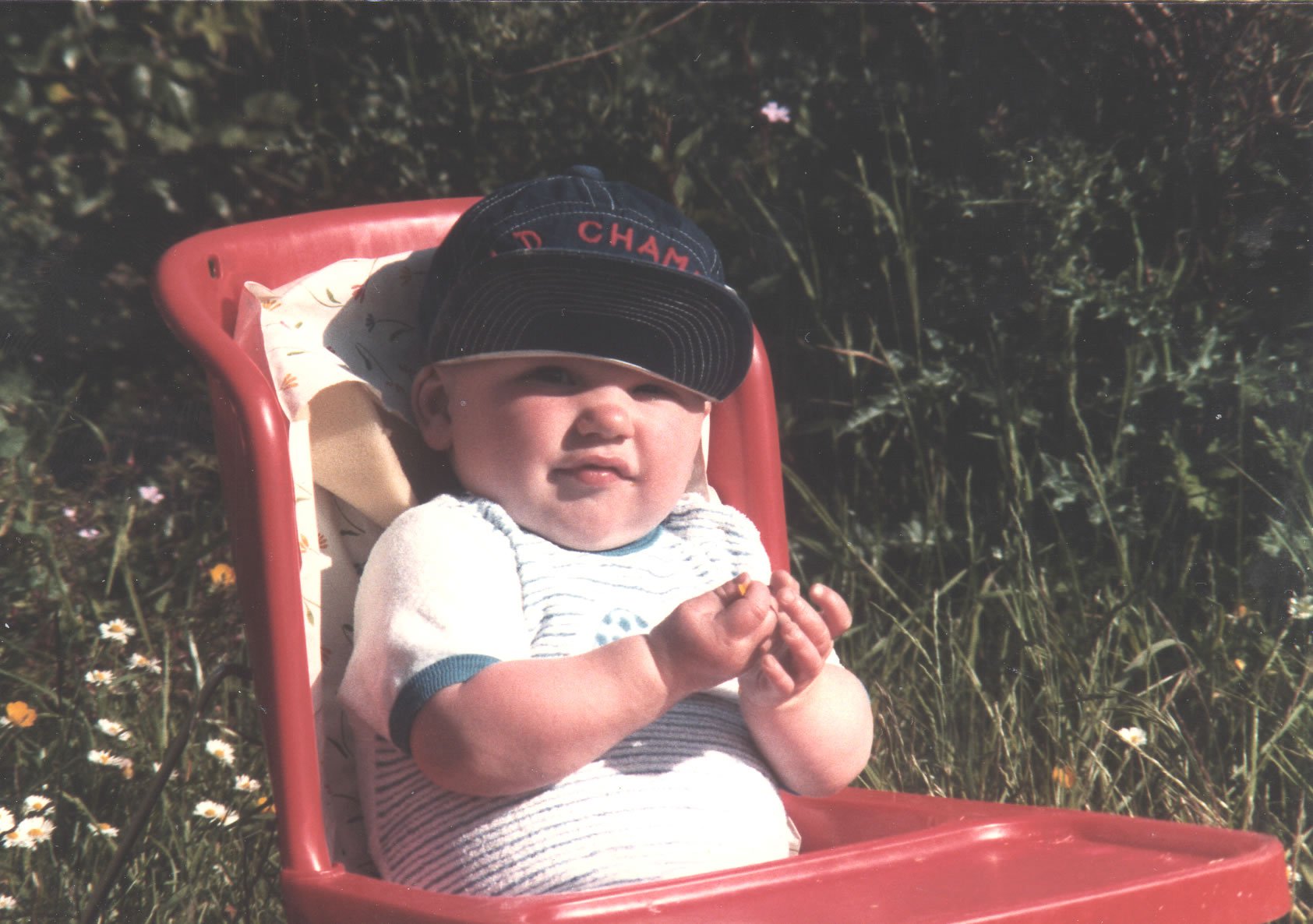
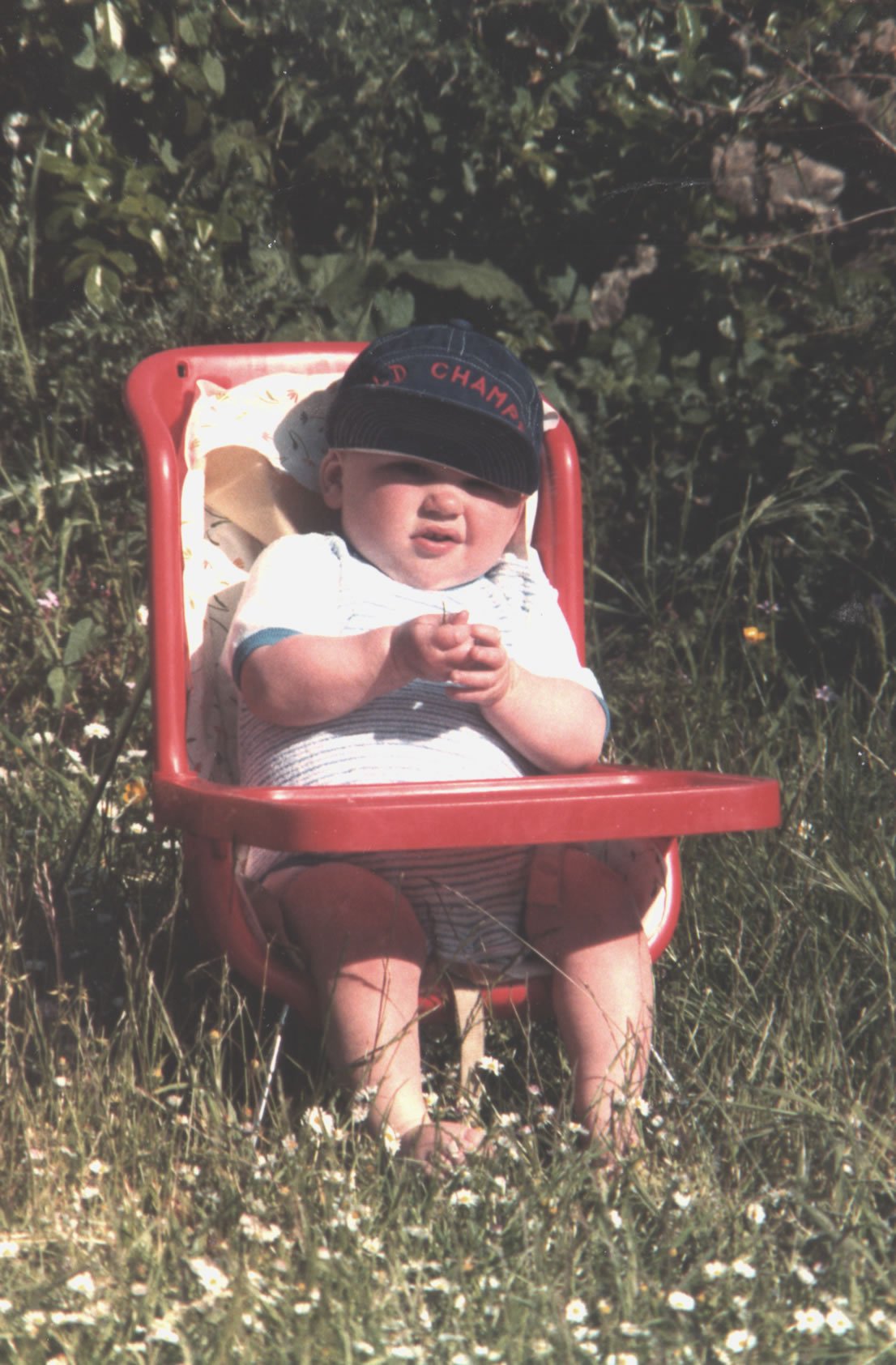
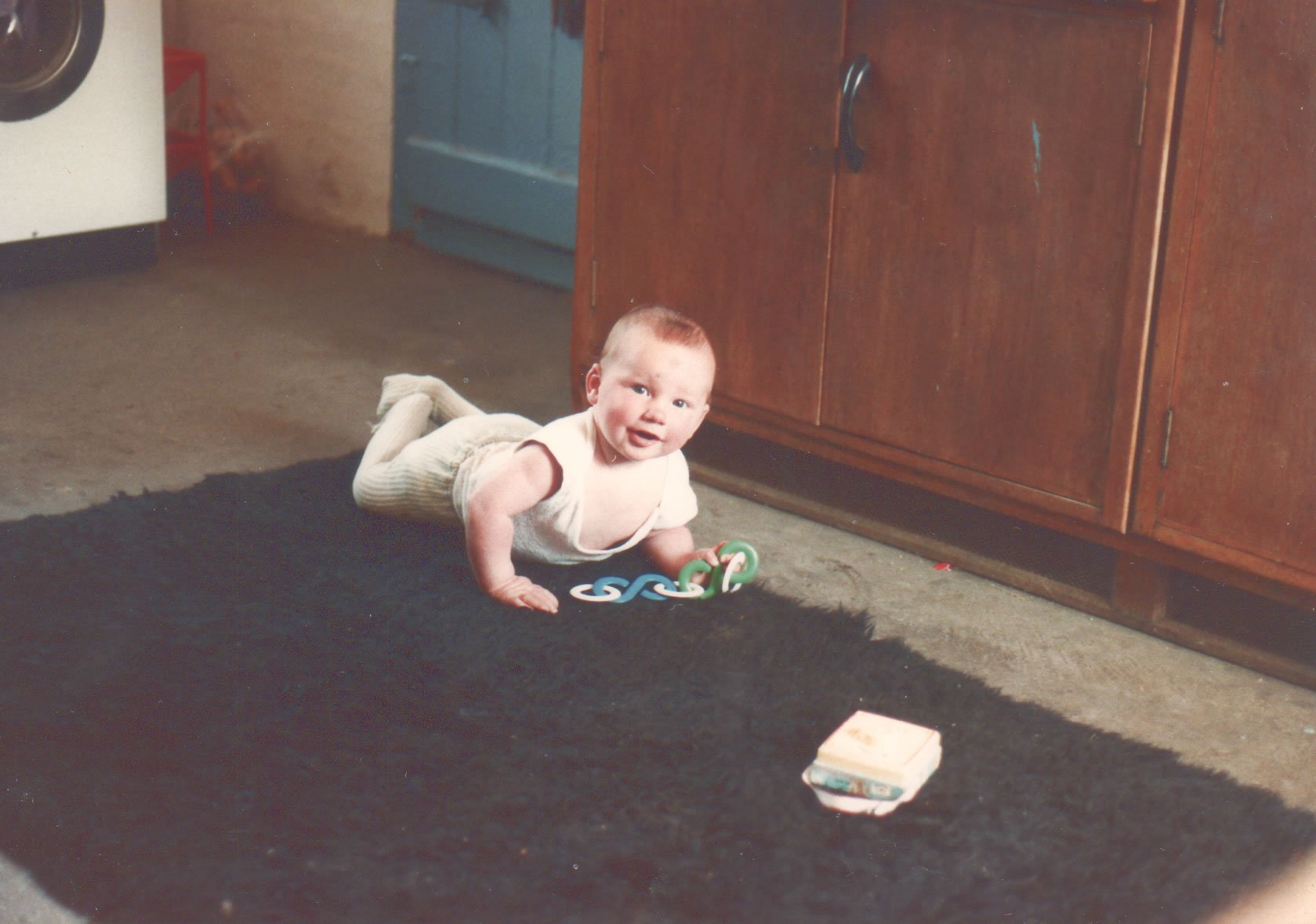
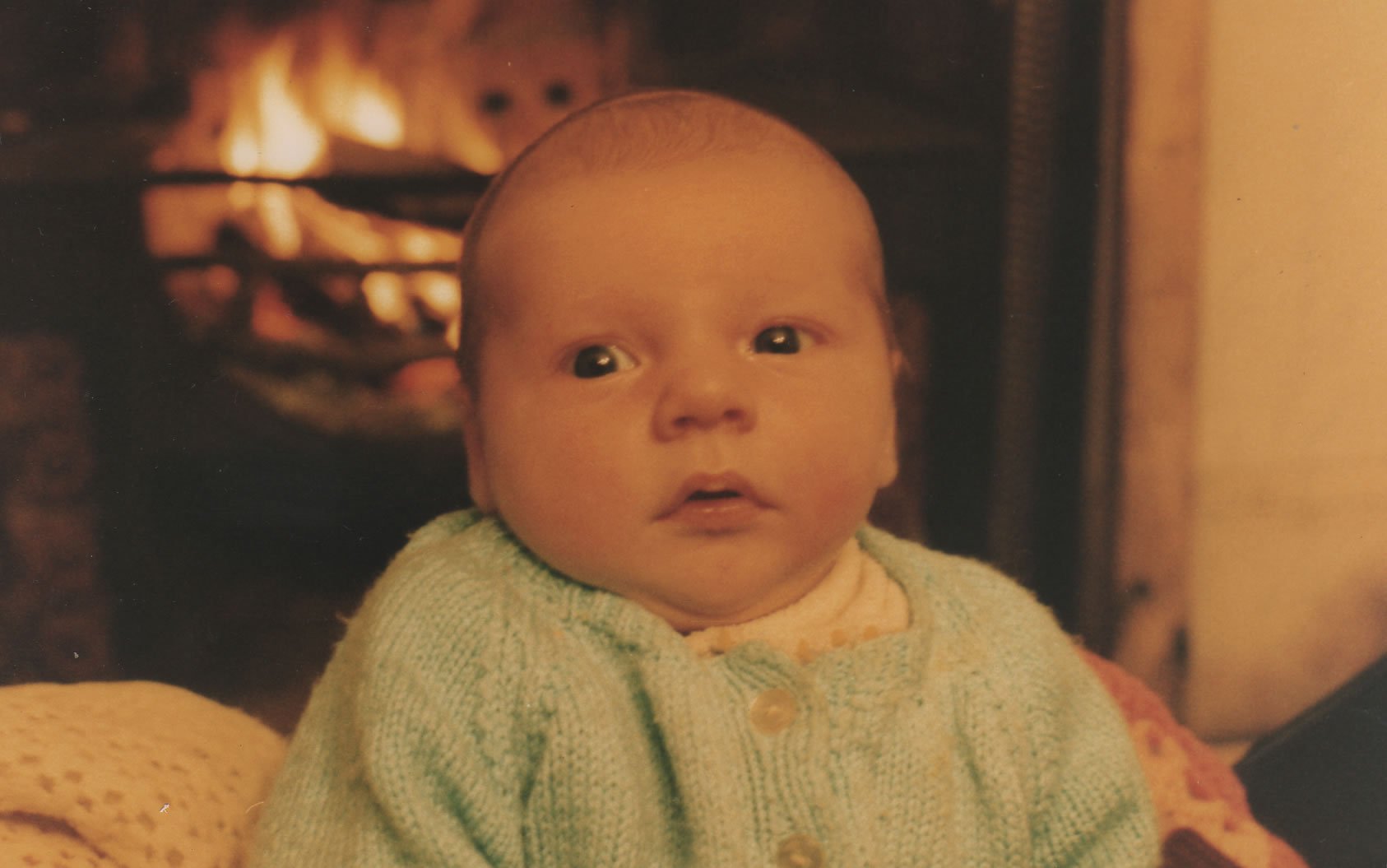
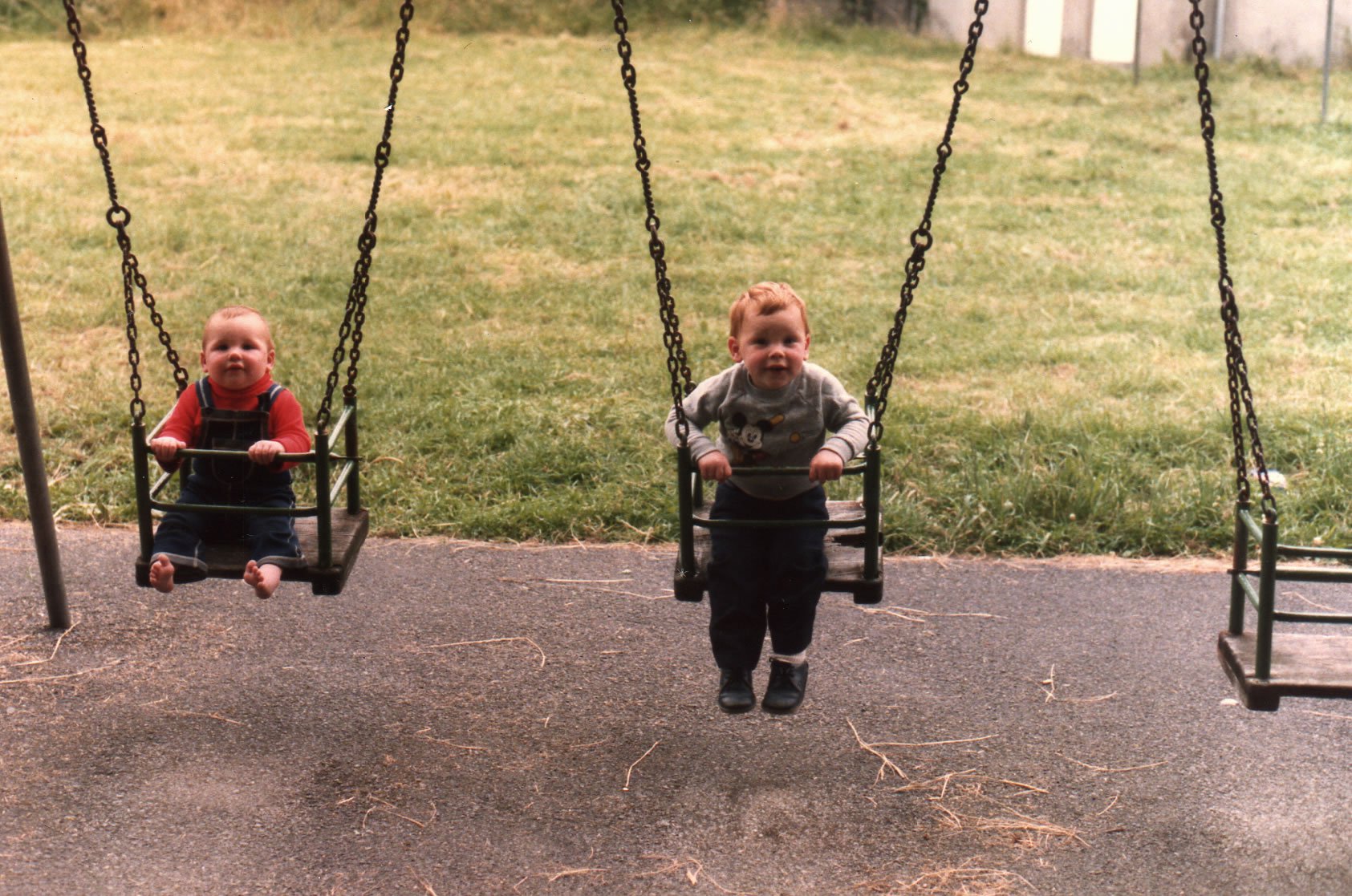
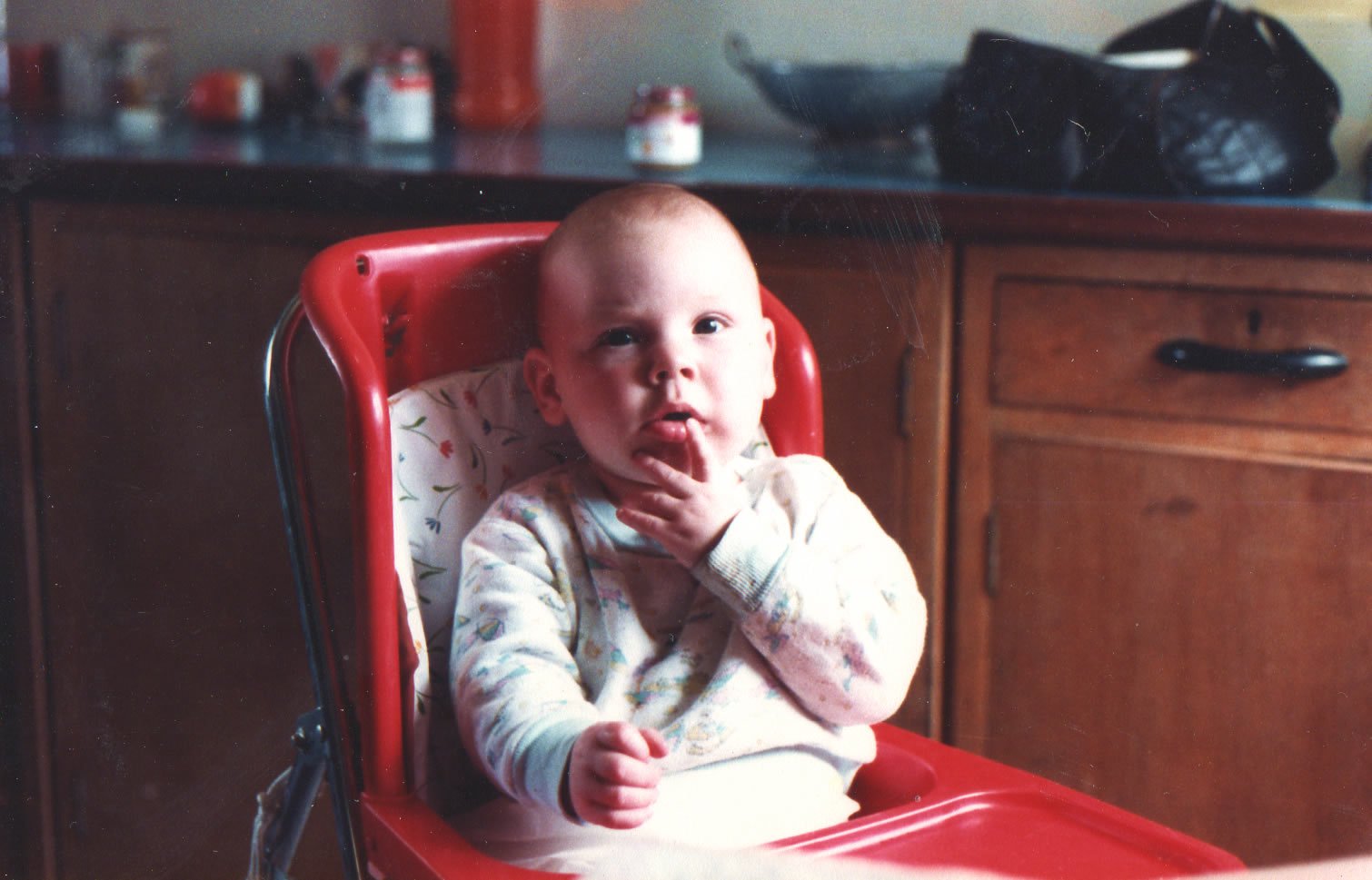
Earliest surviving image

Video
Video description & transcript
Transcript status: The MP4 is an externally hosted compiled film. The archive currently contains an accompanying production/rundown text for this film, but the available WordPress/GitHub connector cannot decode the MP4 audio itself. The text below is therefore preserved as the production transcript / narration record, not represented as a word-for-word audio verification.
Great House Farm (Tŷ Mawr), Llandough — historical and legal record.
Great House Farm stands beside St Dochdwy’s Church at Llandough, within a landscape with a long archaeological history. The archive records the early-sixteenth-century farmhouse traditionally associated with Sir Mathew Cradock, while the wider lordship passed through medieval and later estate interests including Tewkesbury Abbey, the Herbert/Pembroke interests and, subsequently, the Bute estate.
From at least 1667, the Williams family’s long occupation is recorded in Mary Williams’s c.1974 statement (Mary Williams testimony) and later press accounts. The archive distinguishes this claim of acquisition and ownership from a surviving documentary freehold conveyance: the evidence currently establishes a longstanding family claim and occupation, while the underlying historic title requires further archival verification.
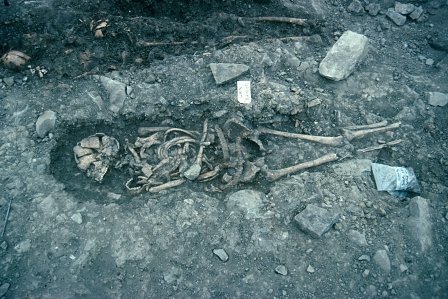
The nineteenth century brought changes to the estate and its description. Records concerning Llandough include Bute estate leases, rentals, surveys and land transactions. The archive also records Mary Williams’s c.1974 statement of the quarrying arrangements (Mary Williams testimony), a reported but unsourced (SOURCE PENDING) discovery of a Roman burial or soldier beneath the farmhouse, and the family’s association with the historic landscape. These matters are separately graded on the evidence presently available.
In the early twentieth century the dispute became increasingly documentary. A yearly agricultural tenancy to John Williams commenced in February 1916. Later records and court proceedings describe the tenancy, subsequent arrears, the 1938 conveyance of the reversion to Western Ground Rents Ltd, and the new yearly tenancy granted to Frederick Buckler from 2 February 1949.
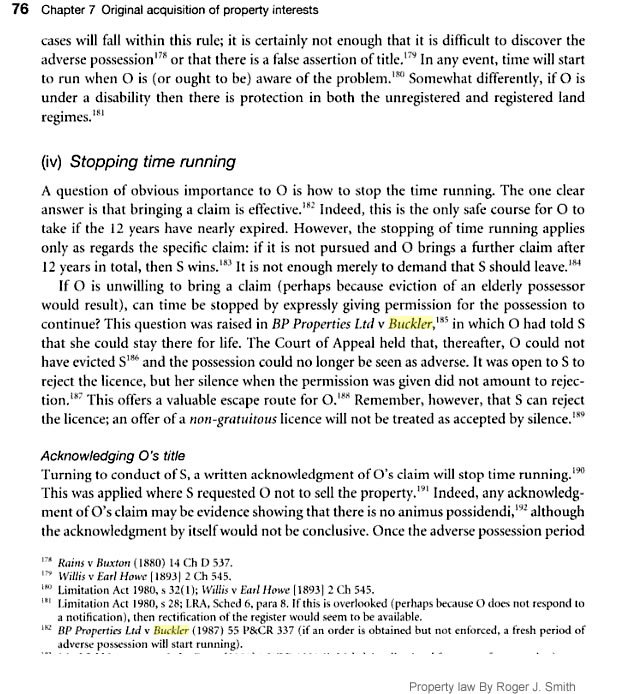
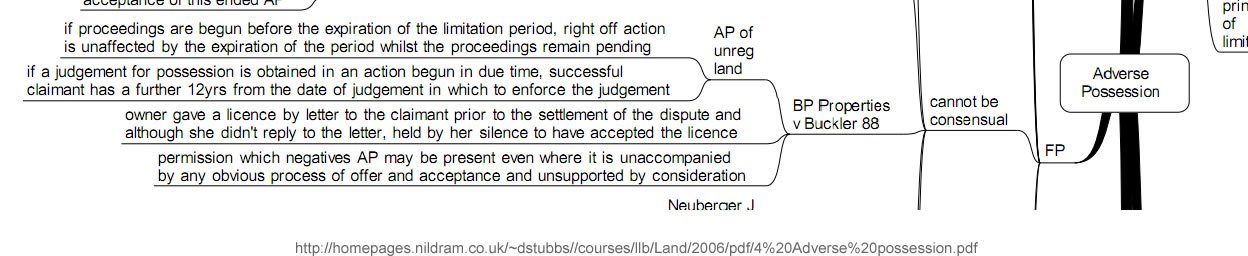
The later proceedings concerned possession and occupation of Great House Farm. Mary Williams pleaded in 1974 that she owned the house (EV-0049), and her c.1974 statement says she never paid rent to or acknowledged anyone as landlord (Mary Williams testimony). Possession proceedings occurred in the 1950s and 1960s. In 1974 correspondence concerning a licence became important in the later litigation.
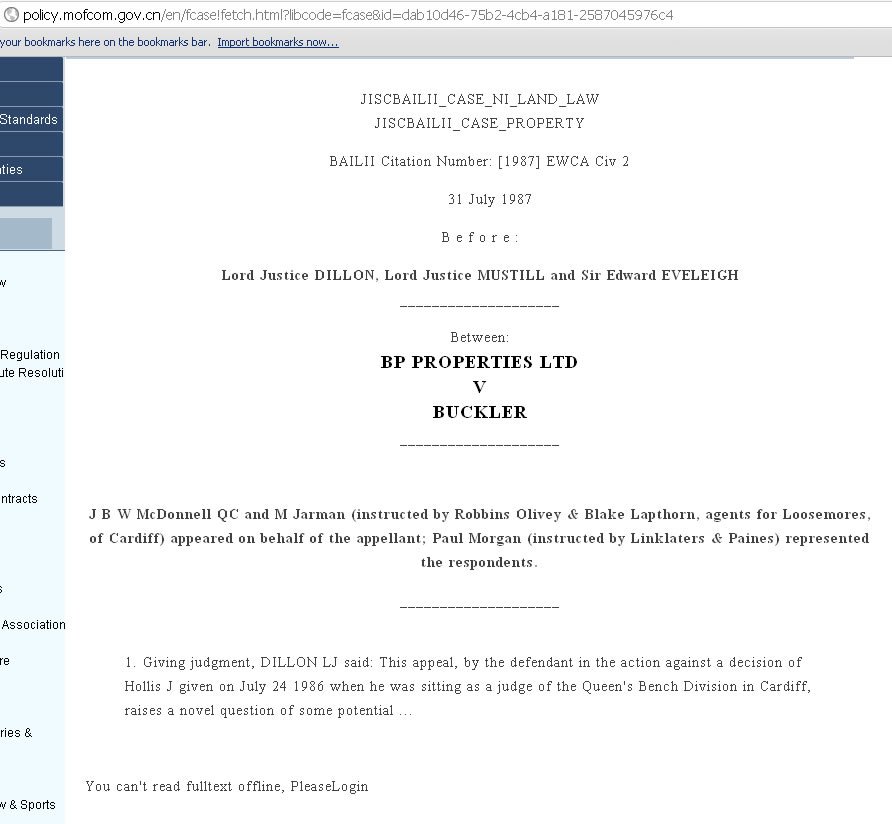
The dispute ultimately reached the Court of Appeal in BP Properties Ltd v Buckler (1987). The court determined the legal issues before it, including the effect of the licence correspondence on the family’s possession claim. The archive distinguishes that judicial determination from the separate historical question of whether earlier Williams interests or documents existed and whether those matters were fully investigated.
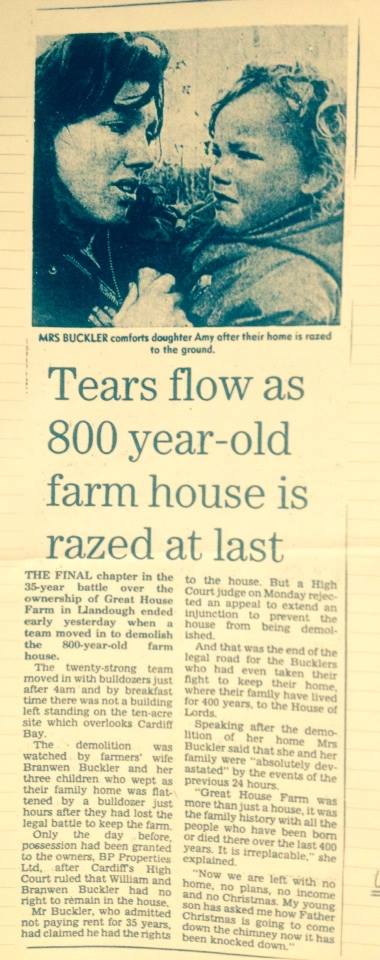
During the 1980s the dispute continued through registration, possession and enforcement proceedings. In 1988 bailiffs attended the farm, possession was obtained, and the buildings were demolished. Contemporary newspaper reports, broadcast material, court records and family photographs are catalogued separately in the Wiki’s evidence library.
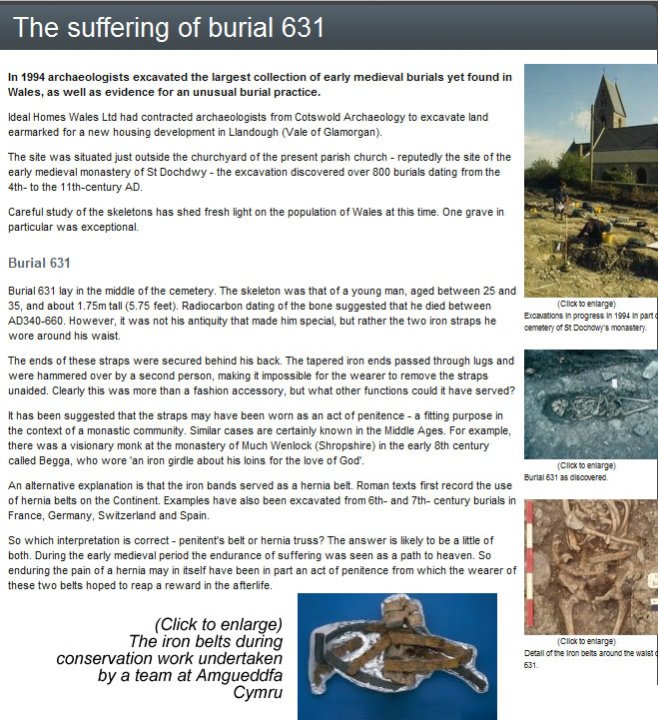
The demolition removed the farmhouse, but subsequent archaeological work demonstrated the exceptional historical significance of the surrounding landscape. Investigations identified Roman and later remains and an early medieval cemetery comprising 1,026 recorded burial-related remains. The archive therefore treats Great House Farm both as a family-history and property-dispute record and as part of a wider archaeological and heritage landscape.
Editorial status: This transcript record is retained with the video so that the film’s accompanying narrative remains discoverable and citable. Claims within the production text are not automatically treated as established facts; the Wiki’s evidence catalogue and source pages distinguish primary evidence, reported family history, court findings, interpretation and unresolved research questions. 🕒
If the video does not play on your device, download it here.
The farm on film — frame sequences
Three sequences of frames from film footage of the farm (Parts 1–3). Each part is collapsed to keep the page fast; open a part to browse its frames in order. Video: the original film files for Parts 1–3 are not yet in the archive — placeholders below will be replaced with the video once uploaded.
Part 1 — film frames (date unknown)
Video (placeholder): Great House Farm film, Part 1 — original file not yet uploaded.
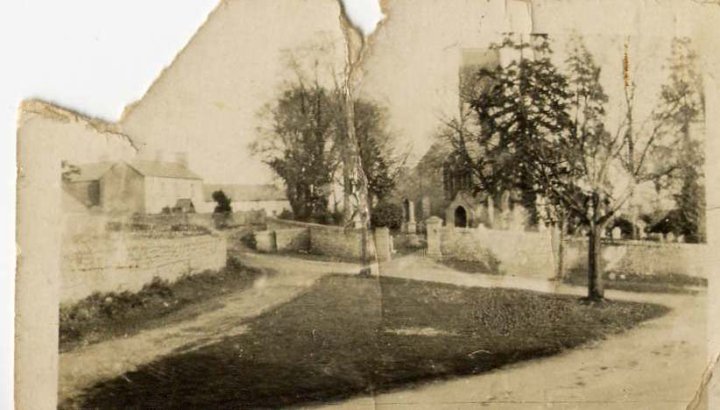
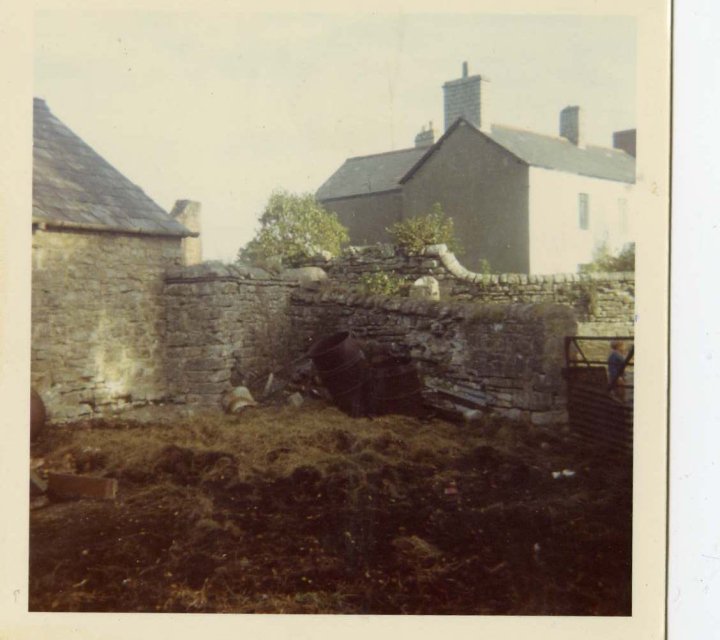
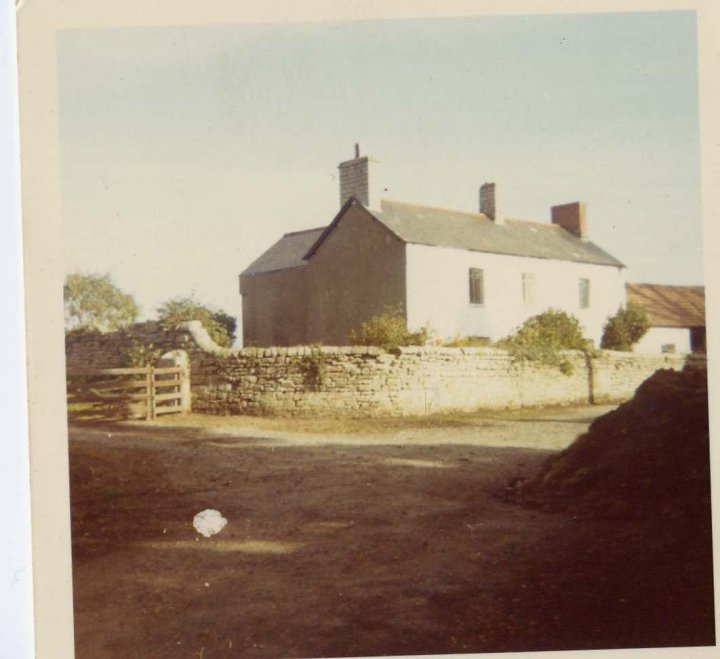
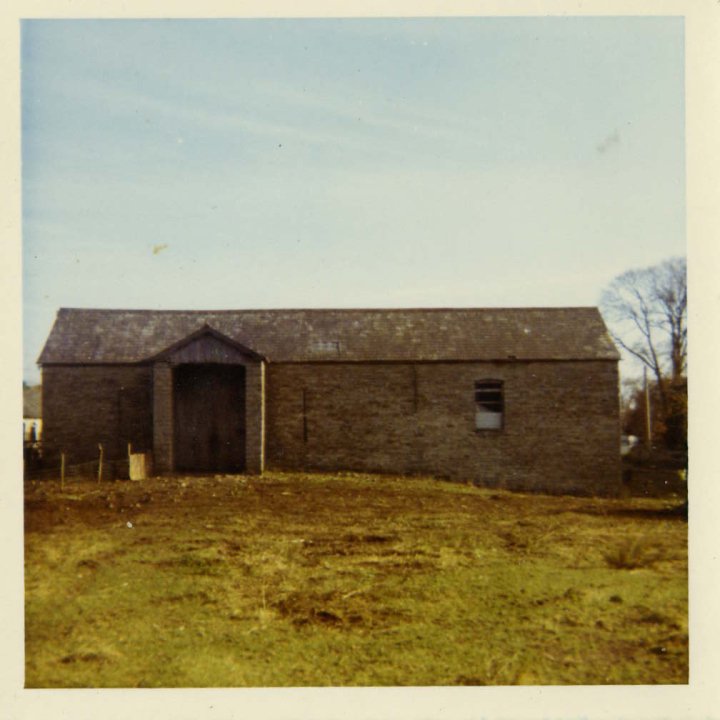
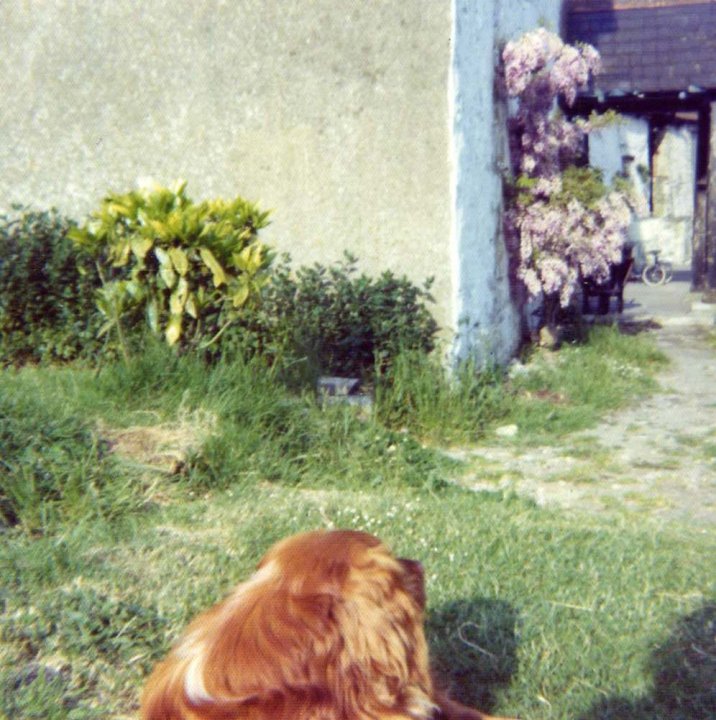
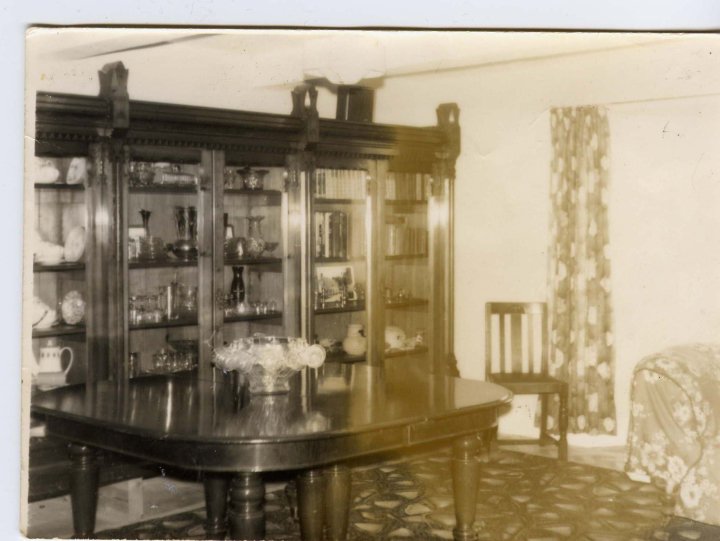
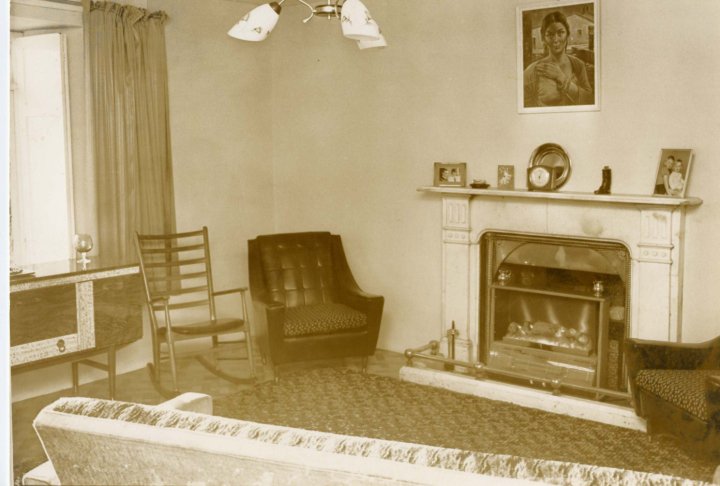
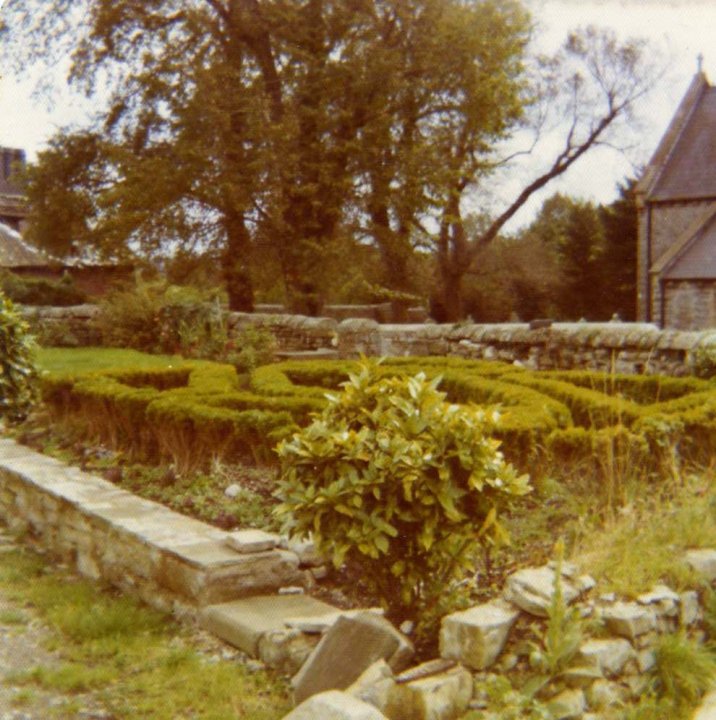
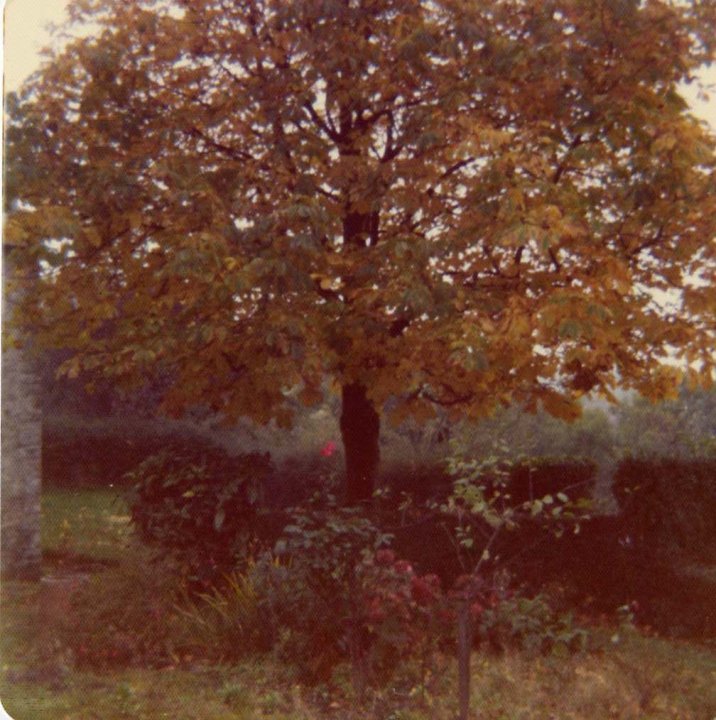
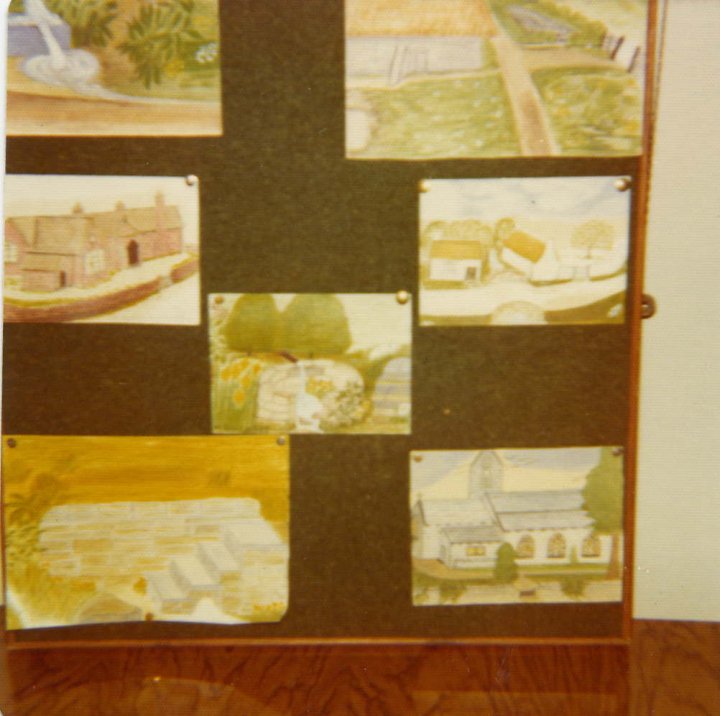
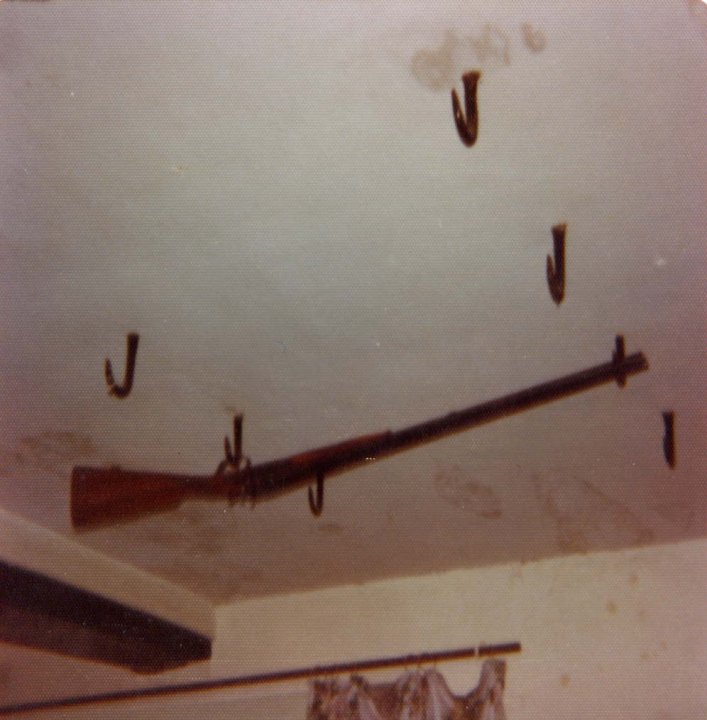
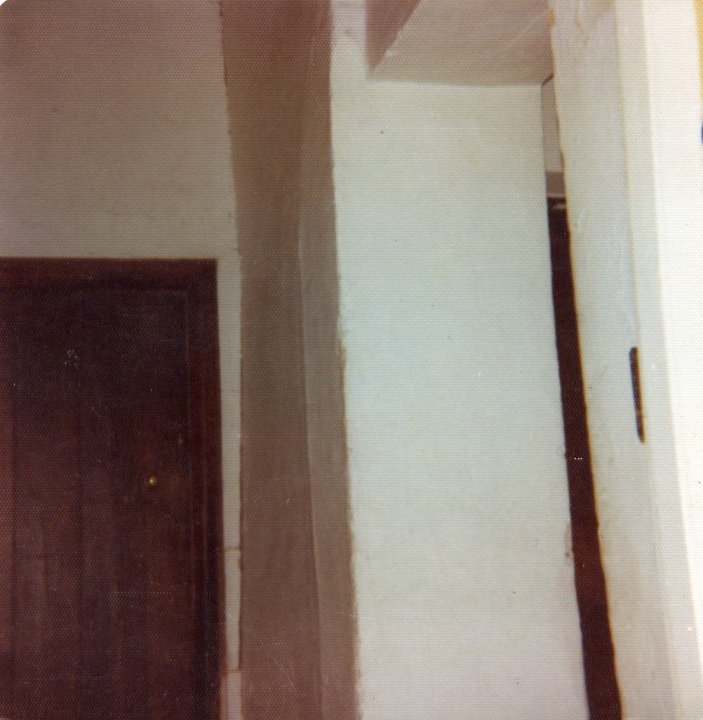
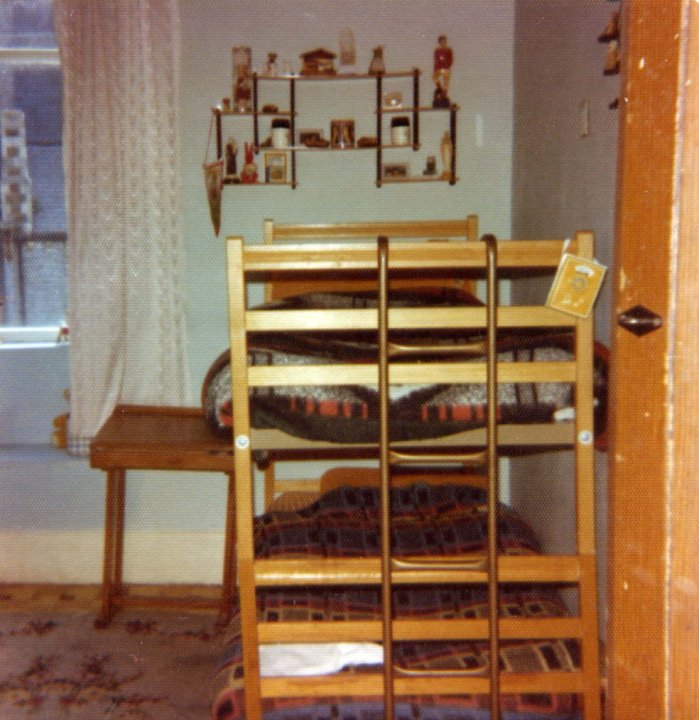
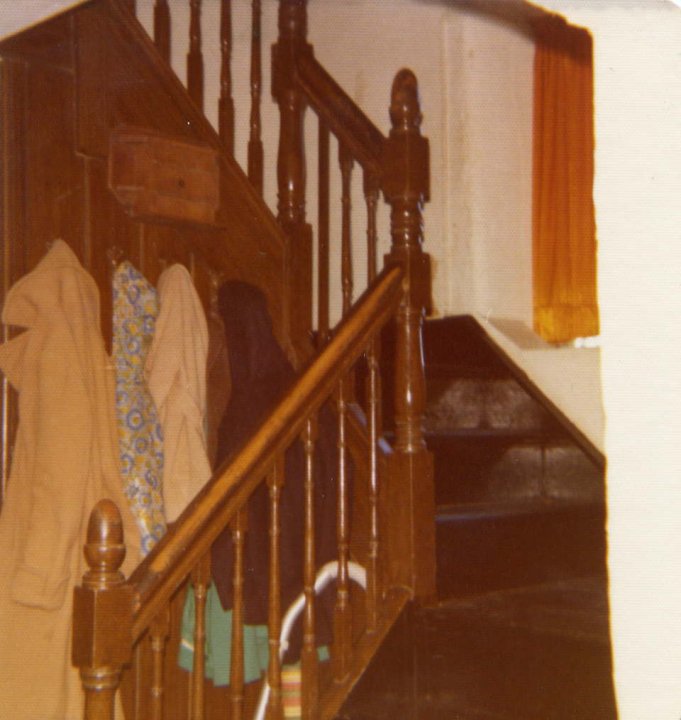
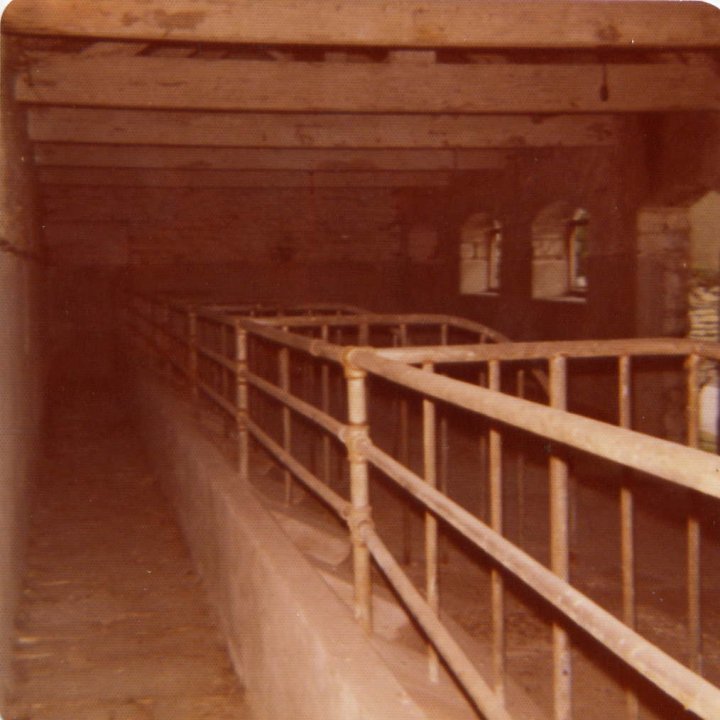
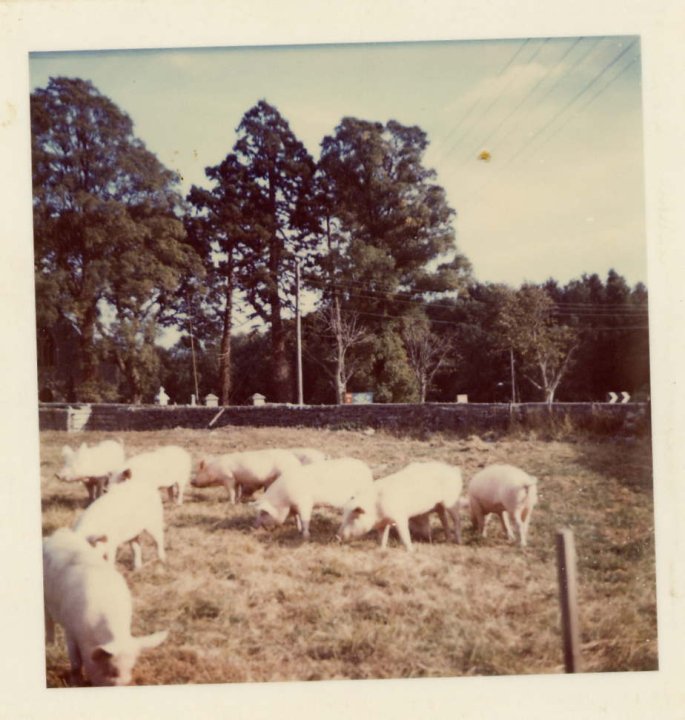
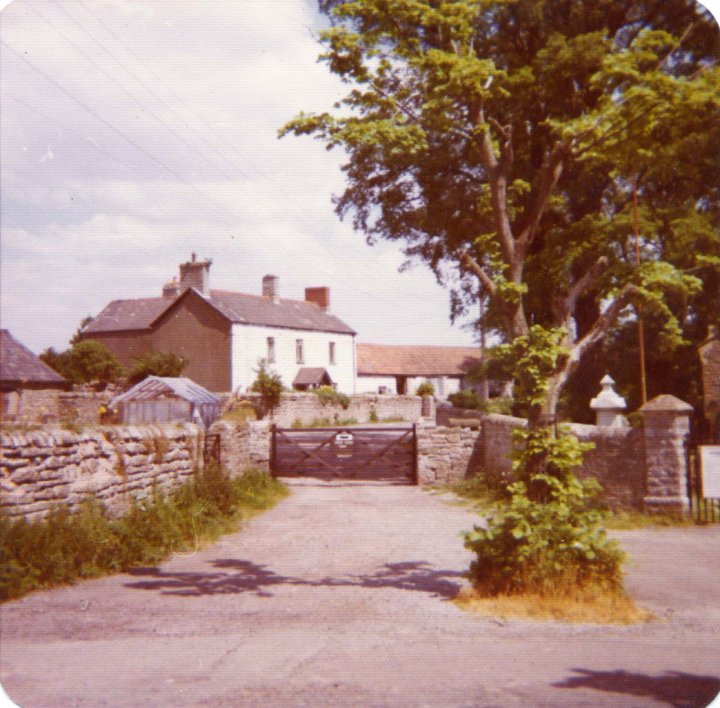
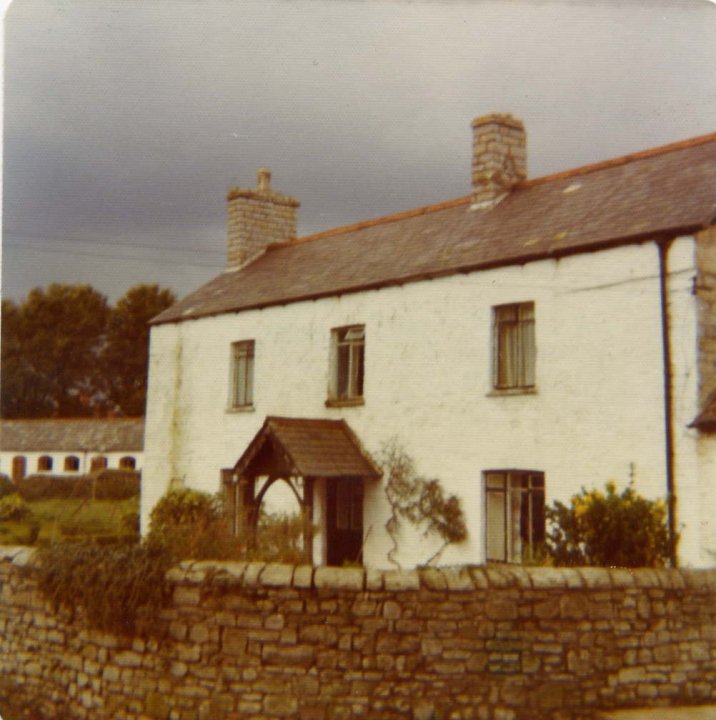
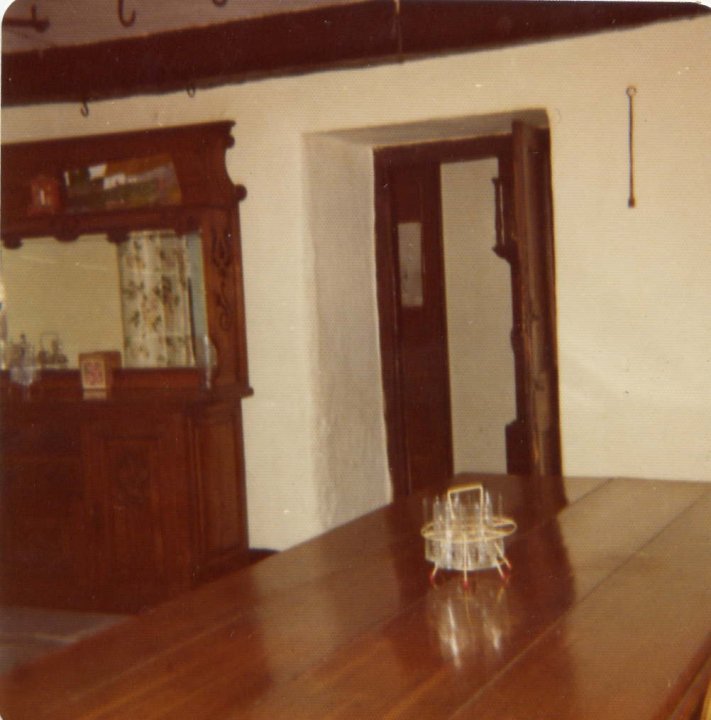
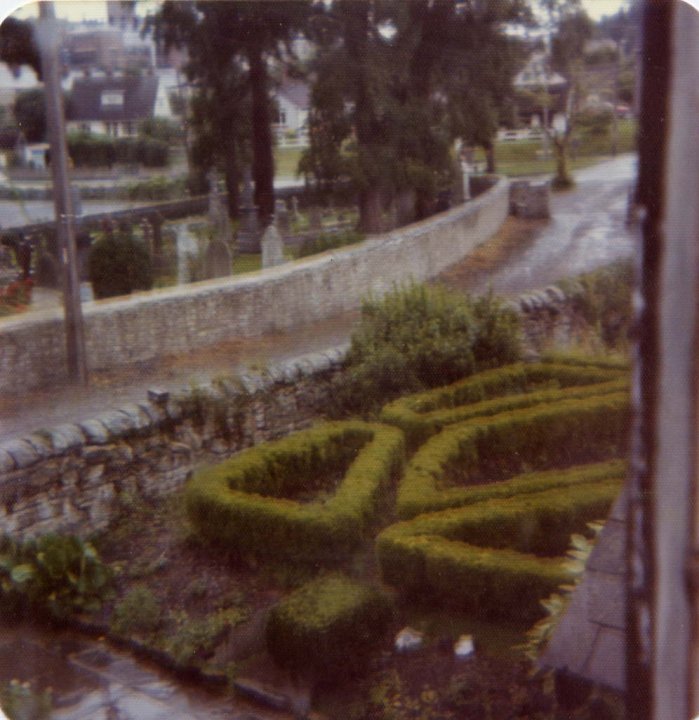
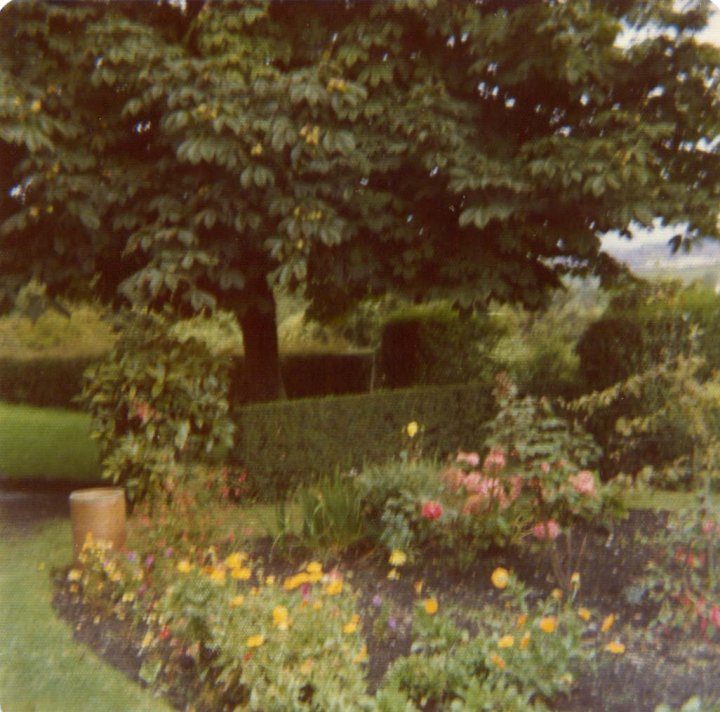
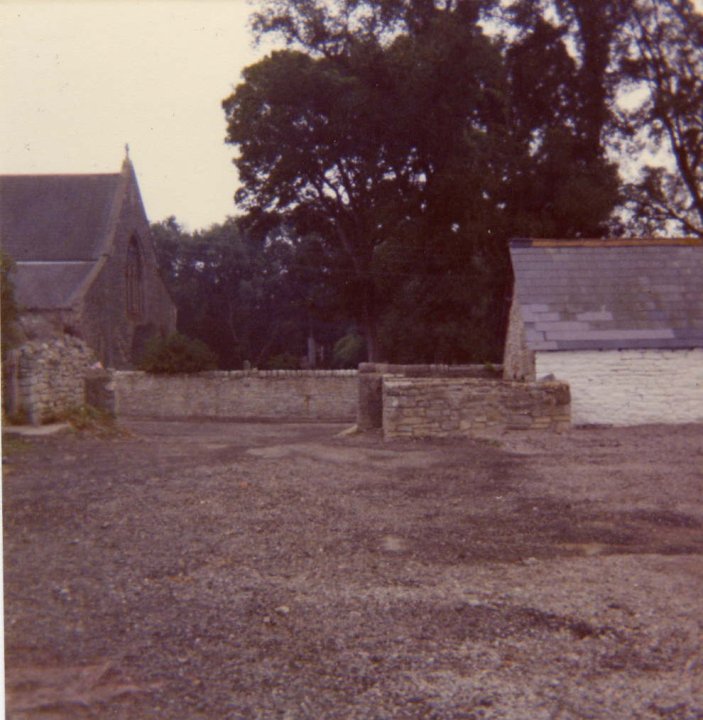
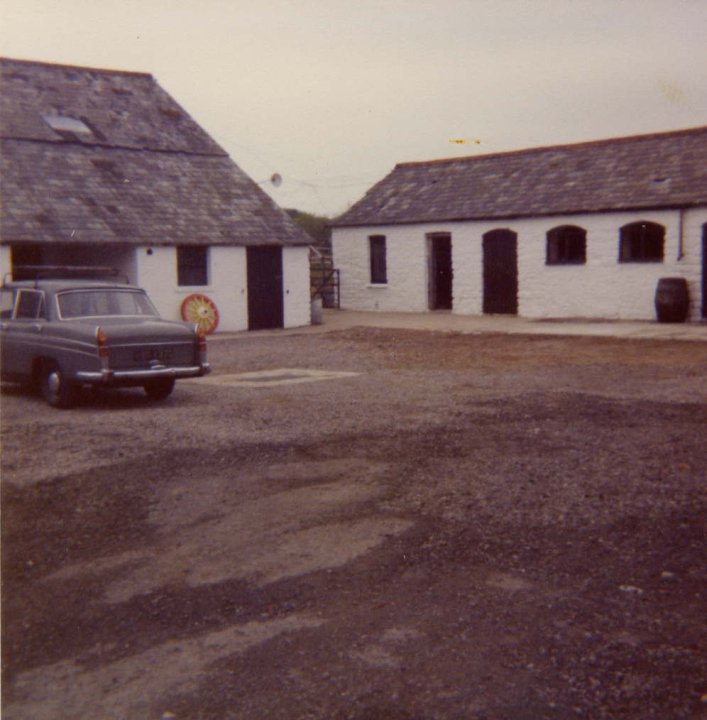
Showing every fifth frame (27 of 133); consecutive frames are near-identical. The full sequence is in the archive folder on GitHub.
Part 2 — film frames (date unknown)
Video (placeholder): Great House Farm film, Part 2 — original file not yet uploaded.
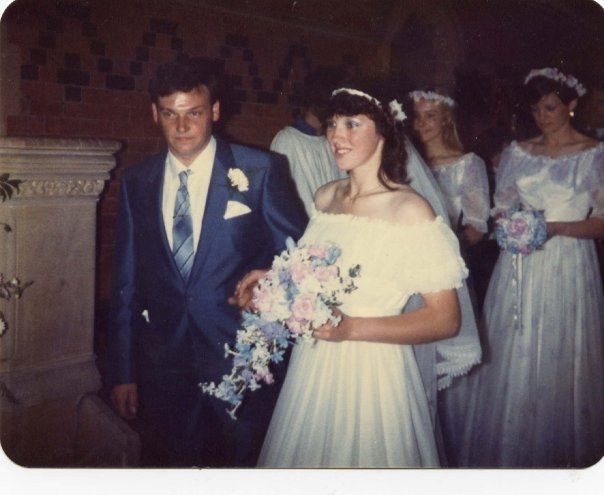
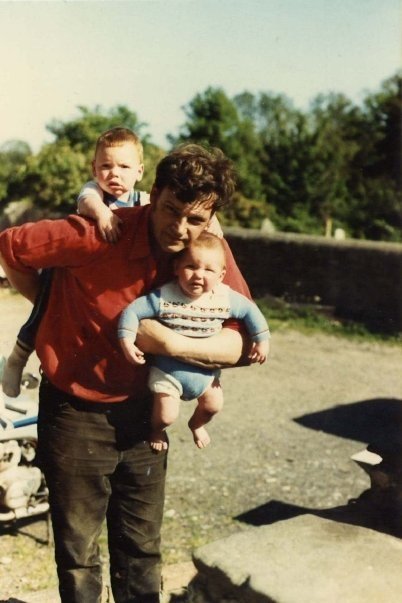
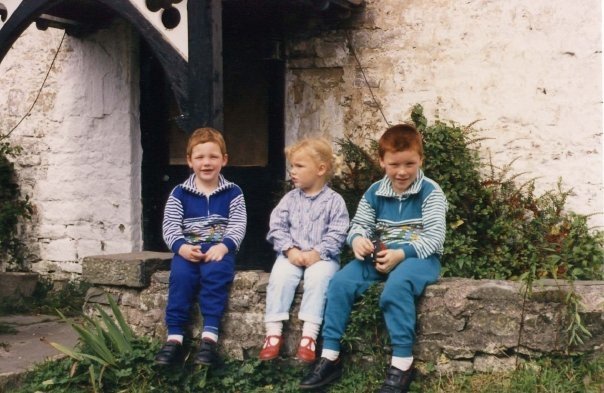
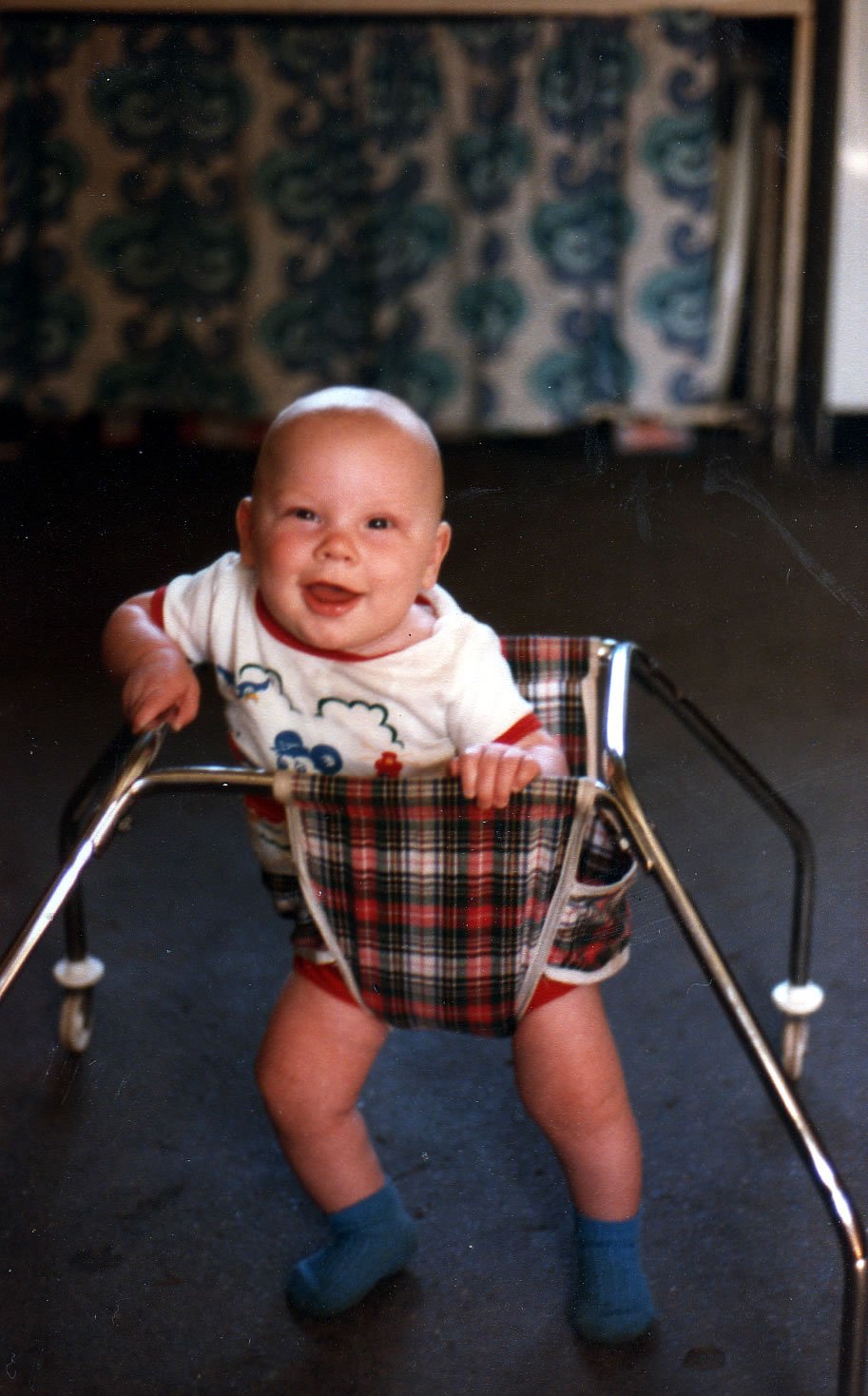
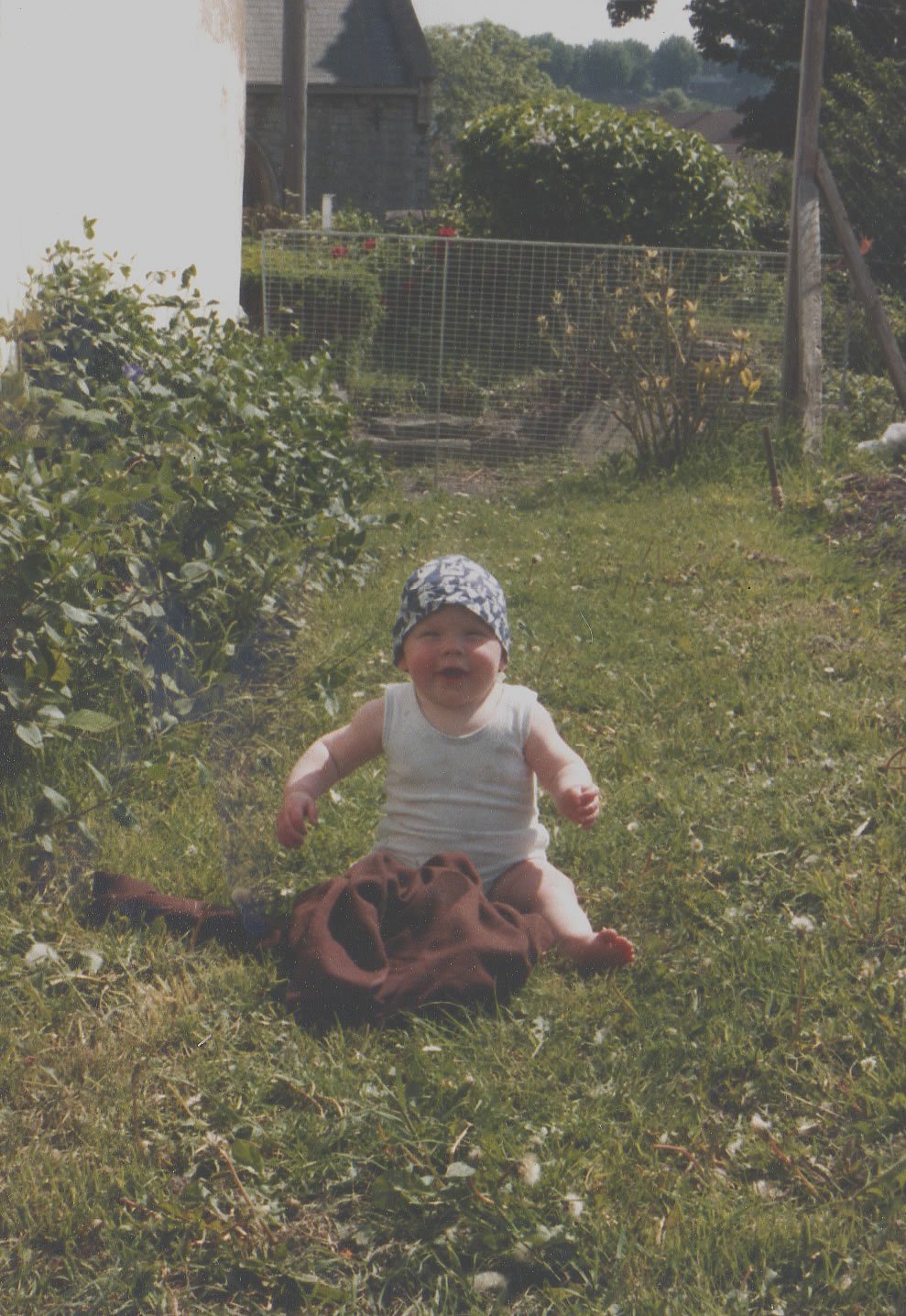
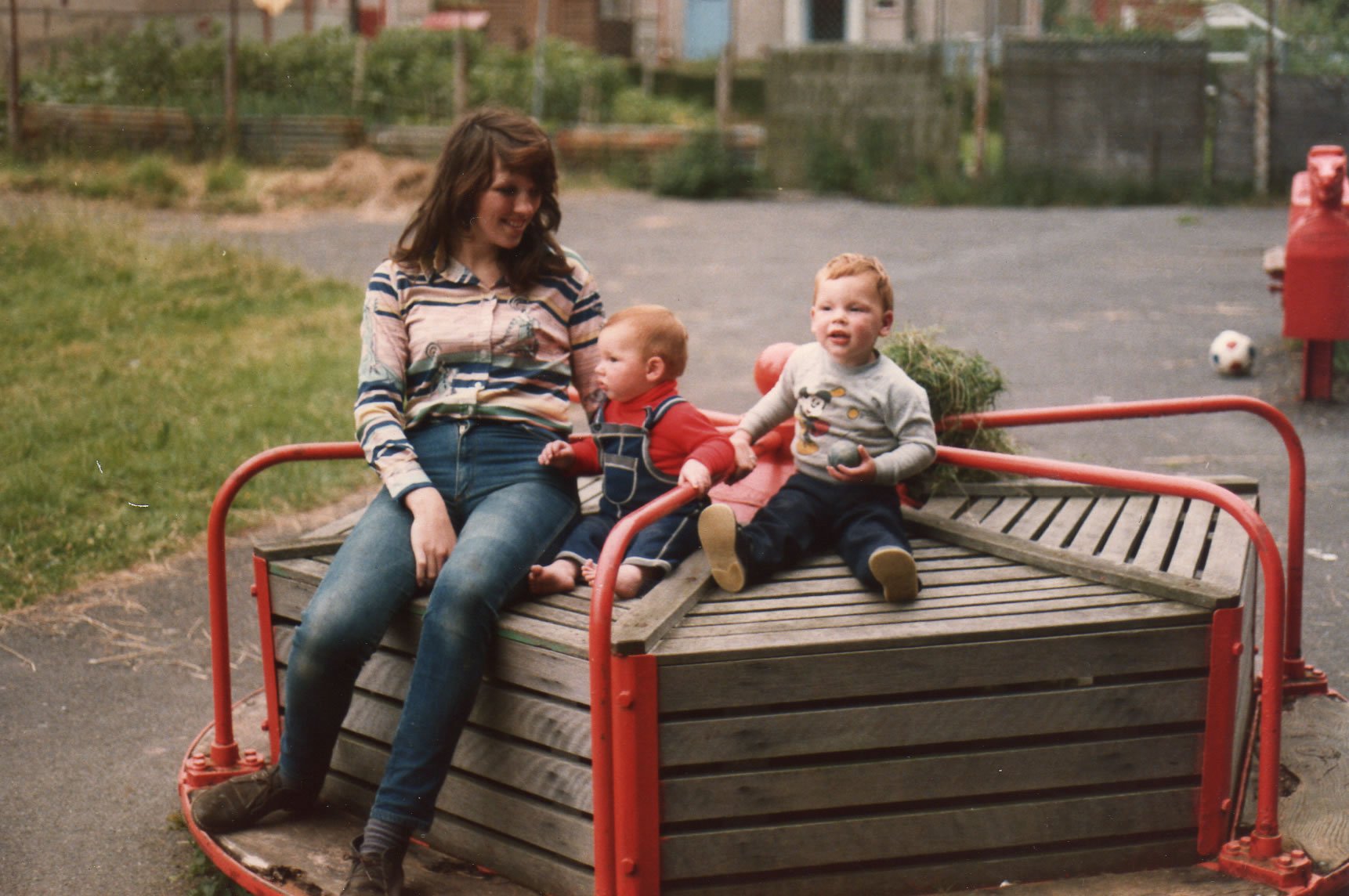
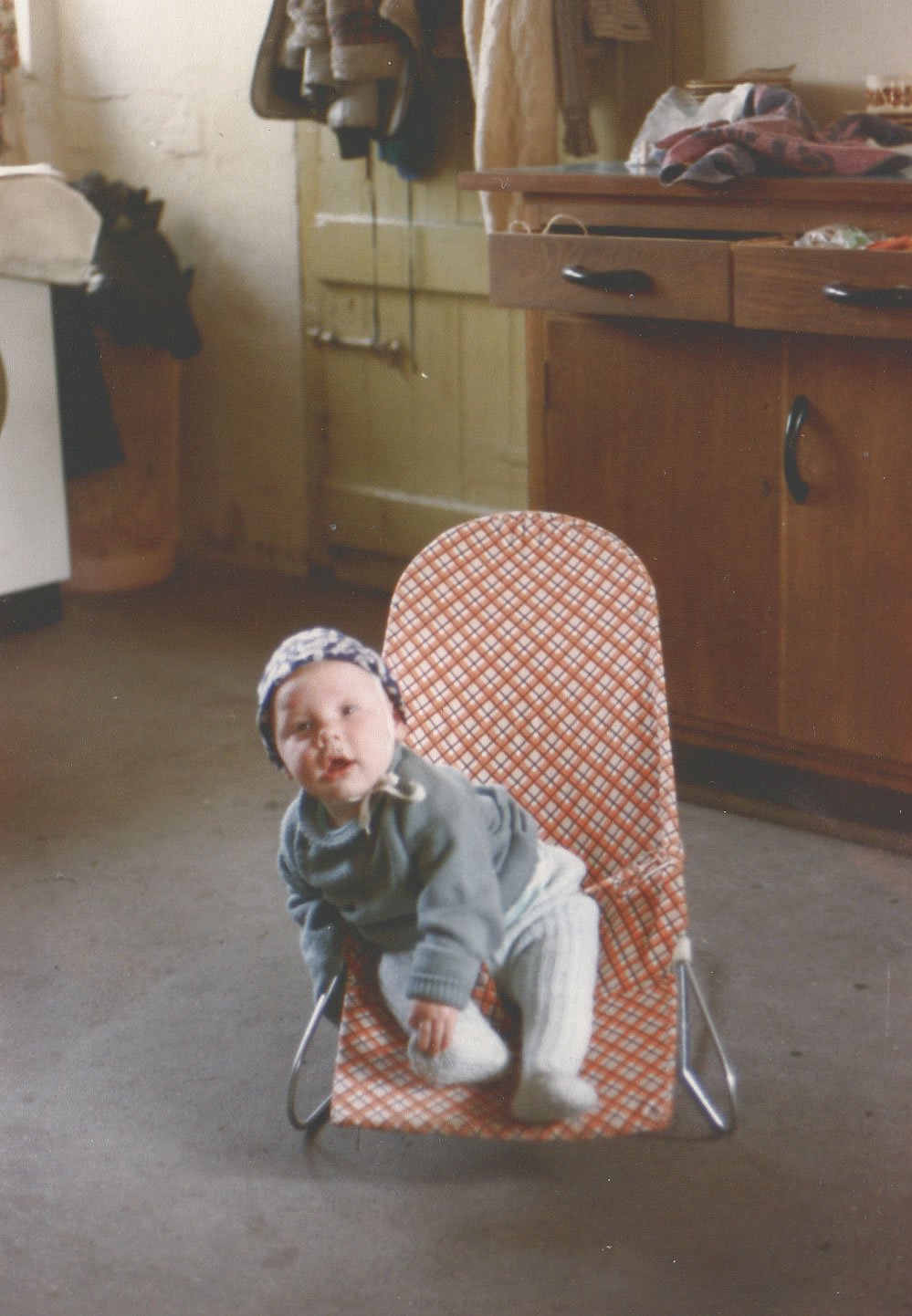
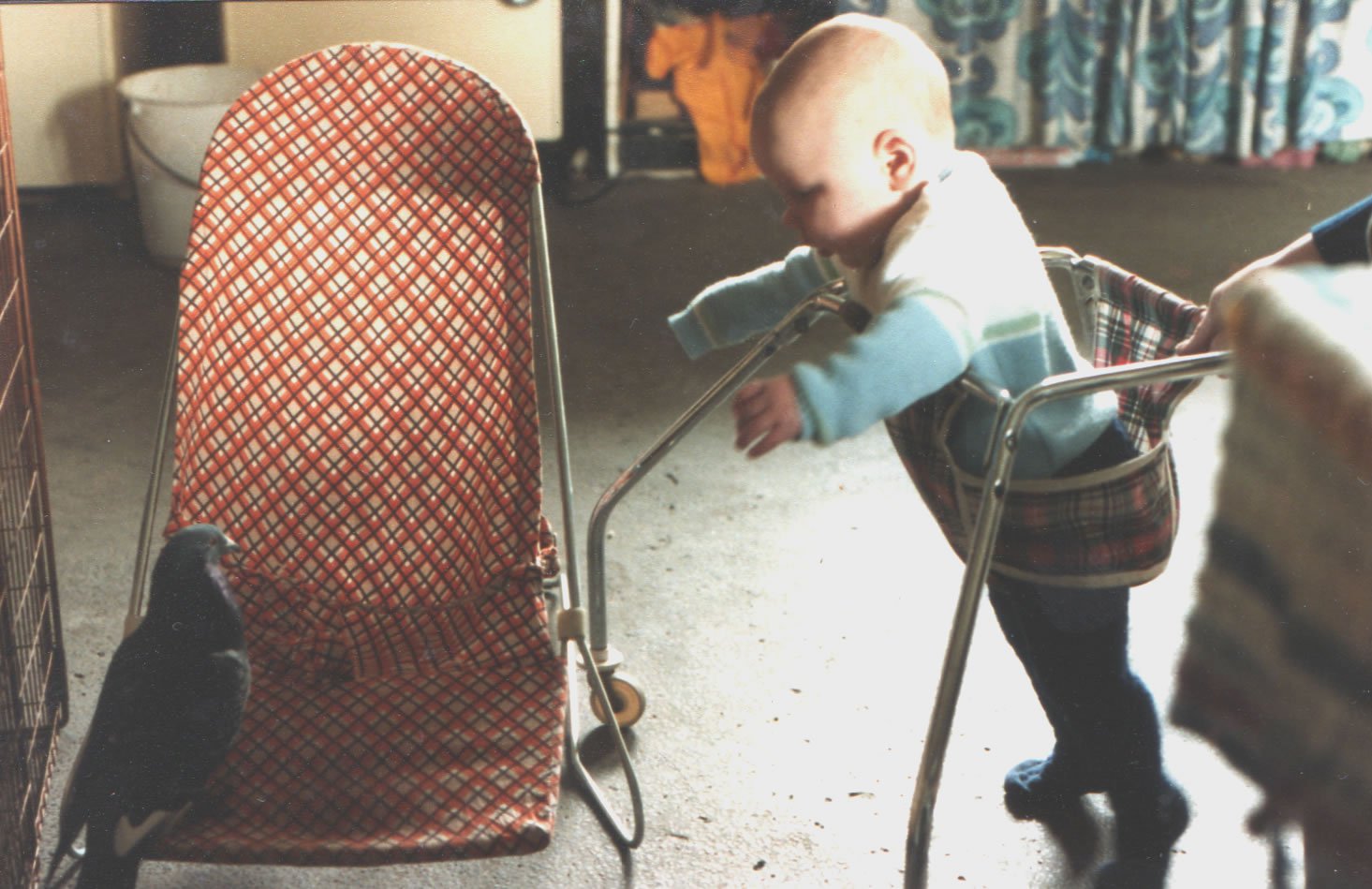
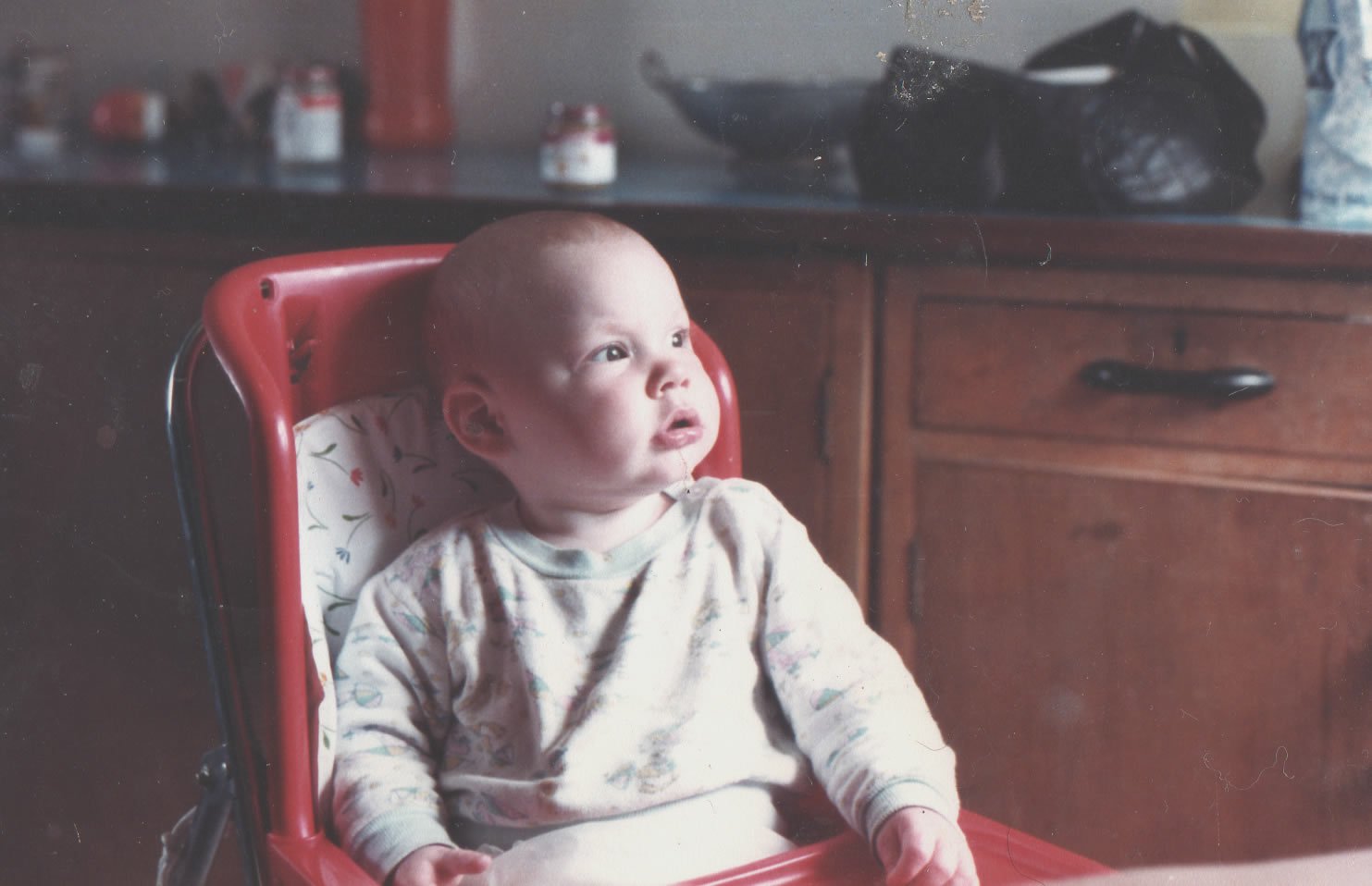
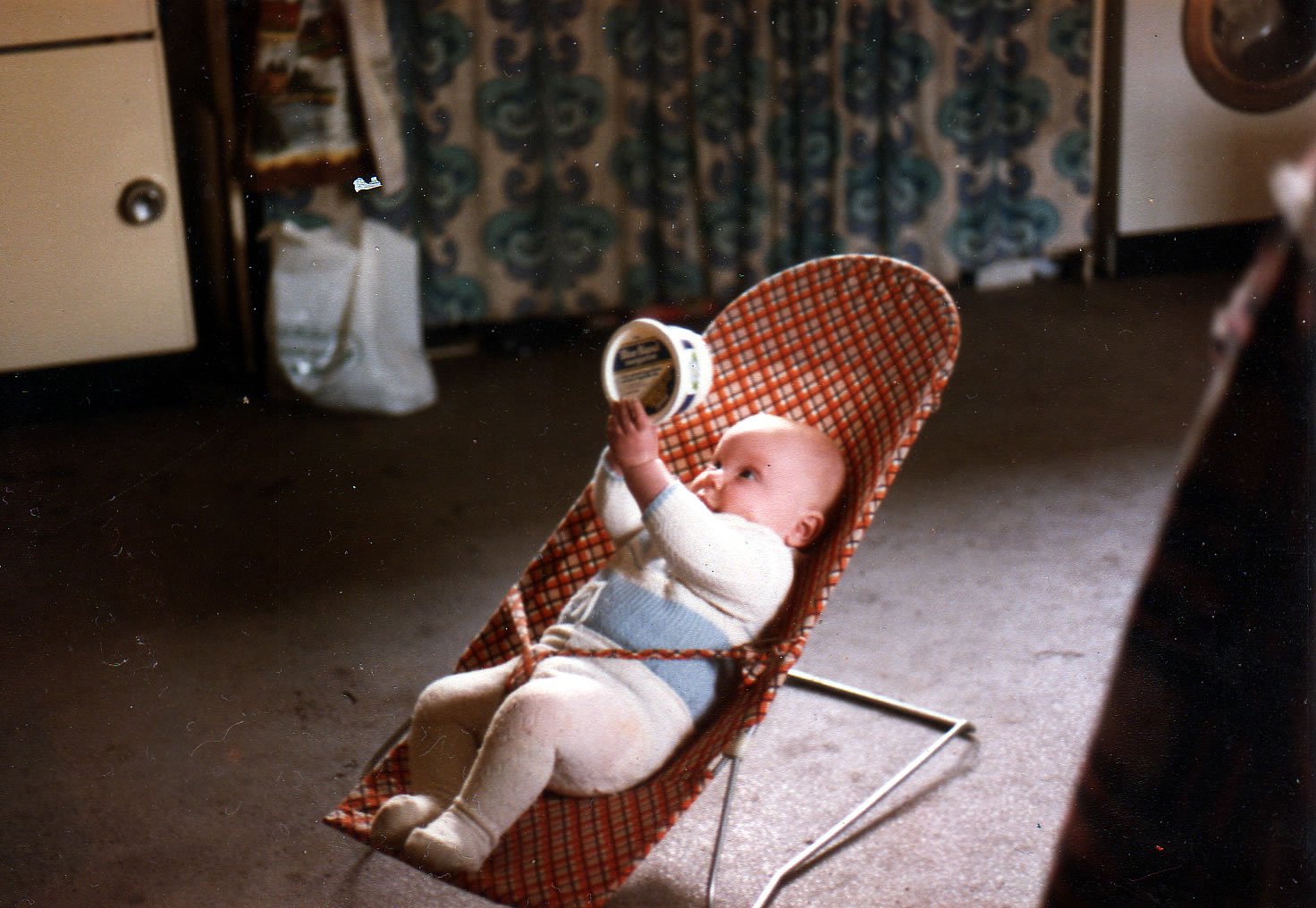
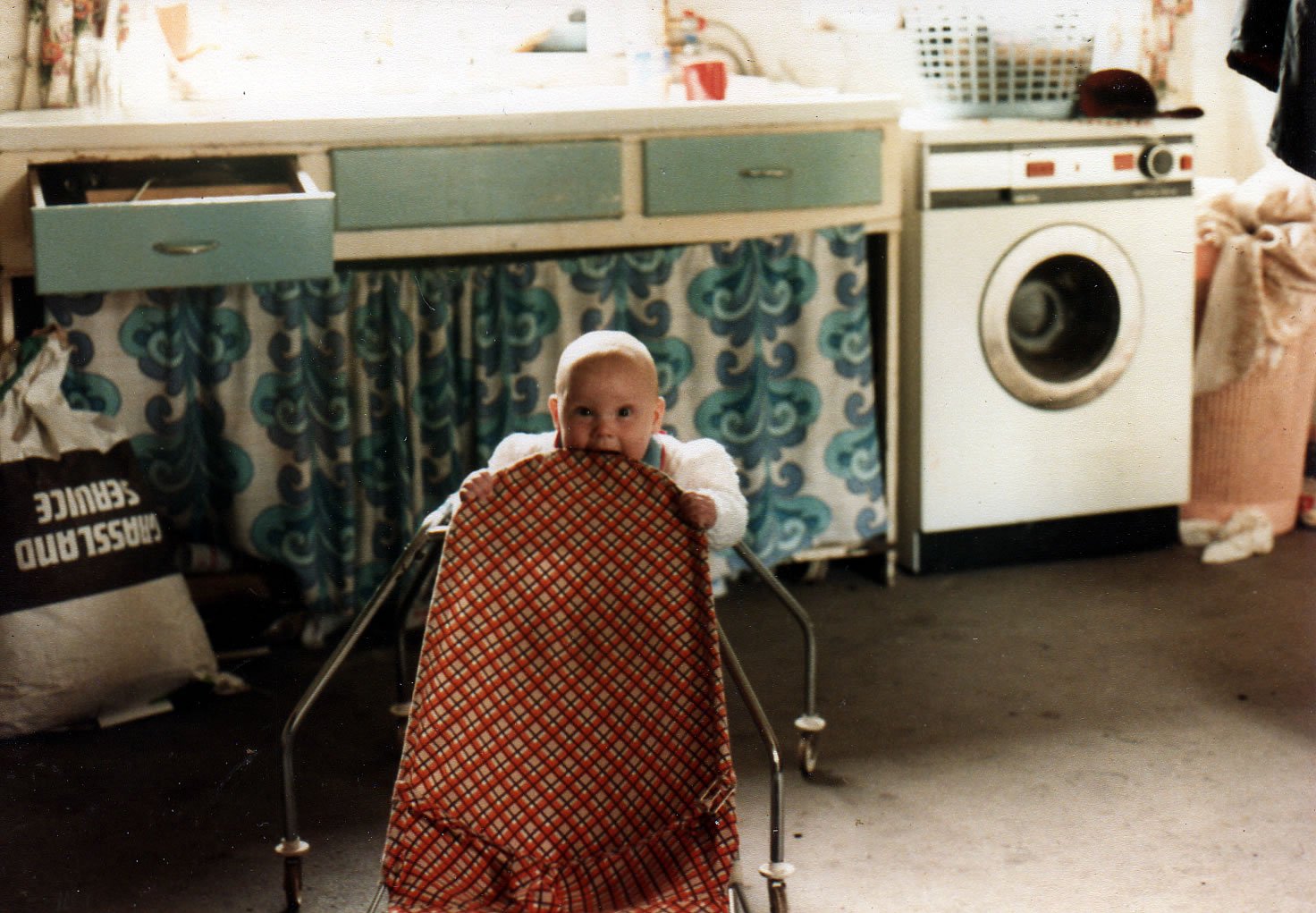
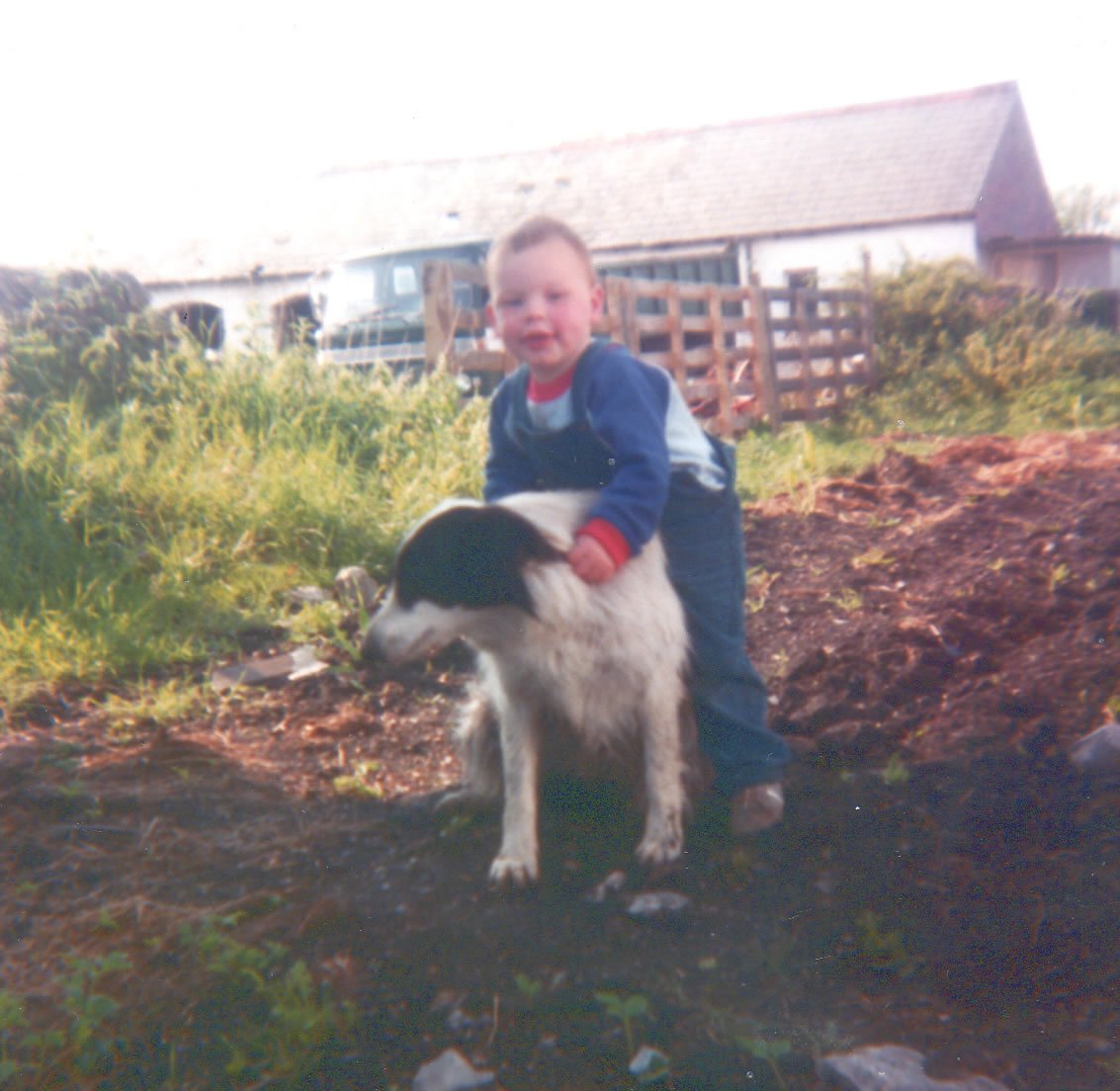
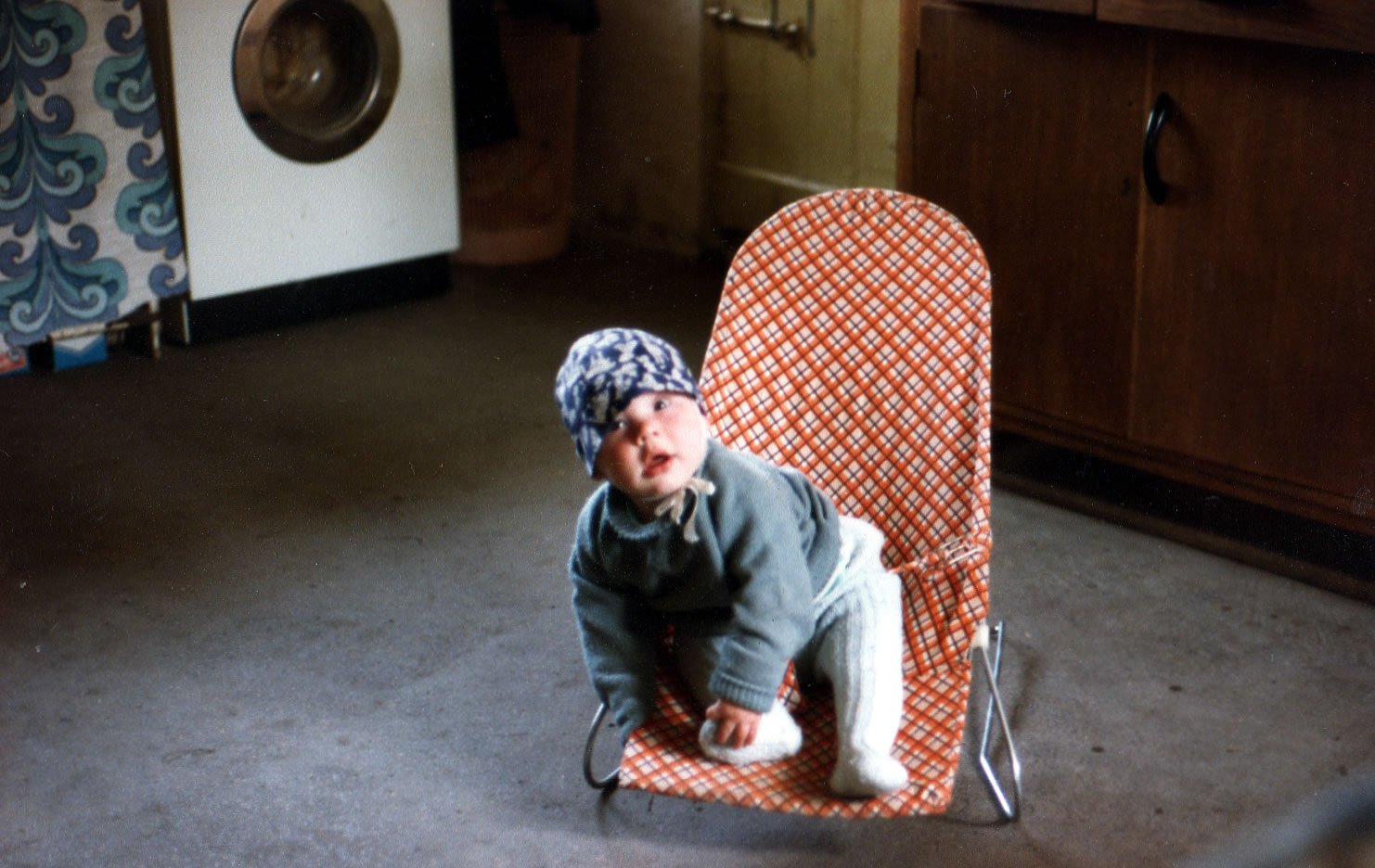
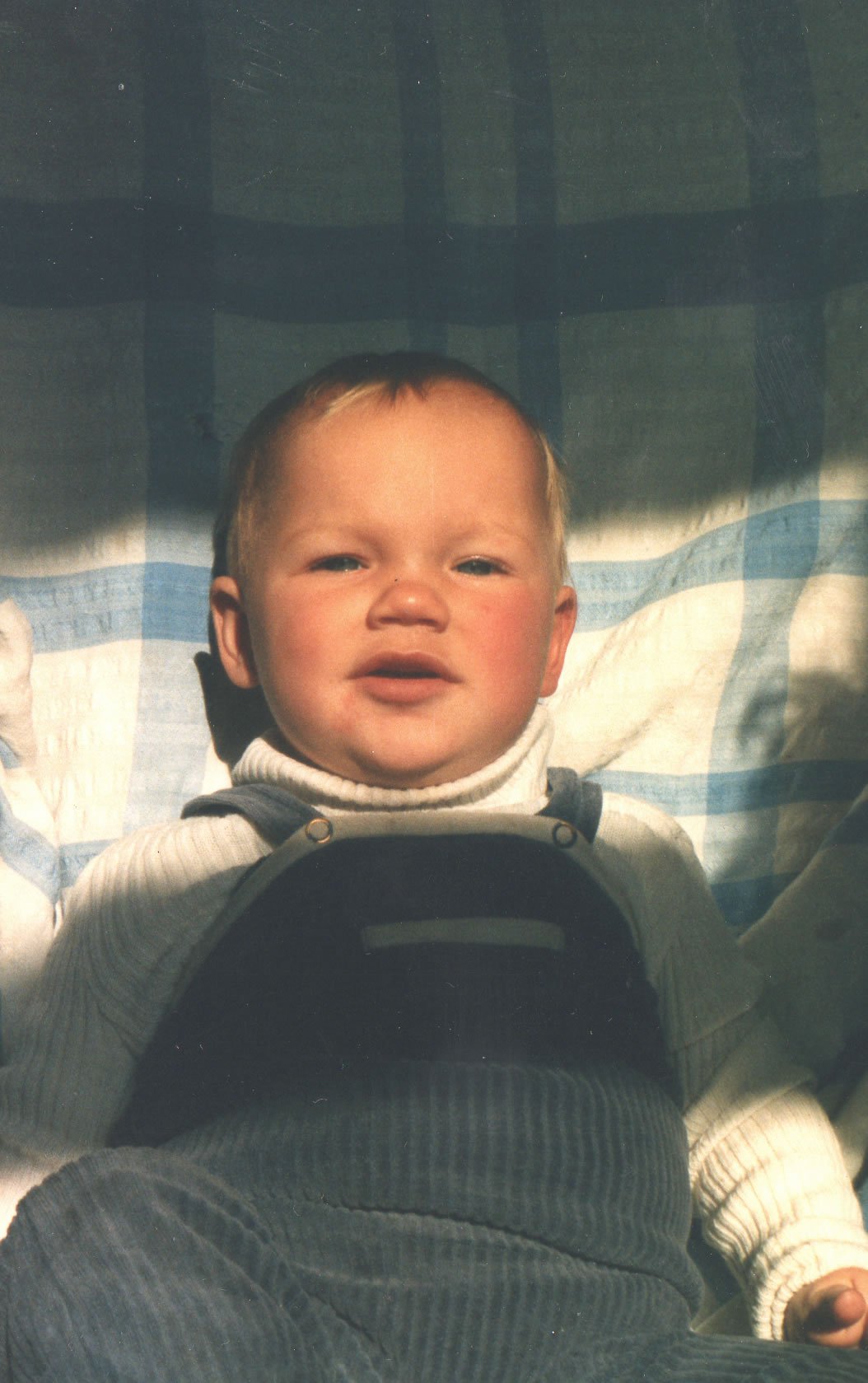
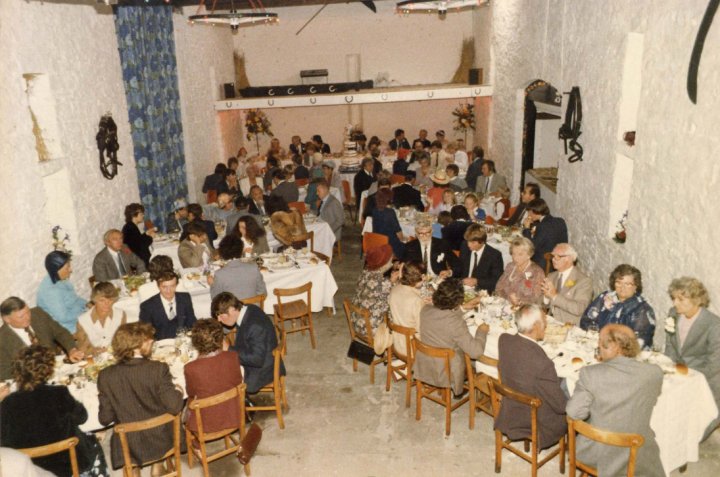
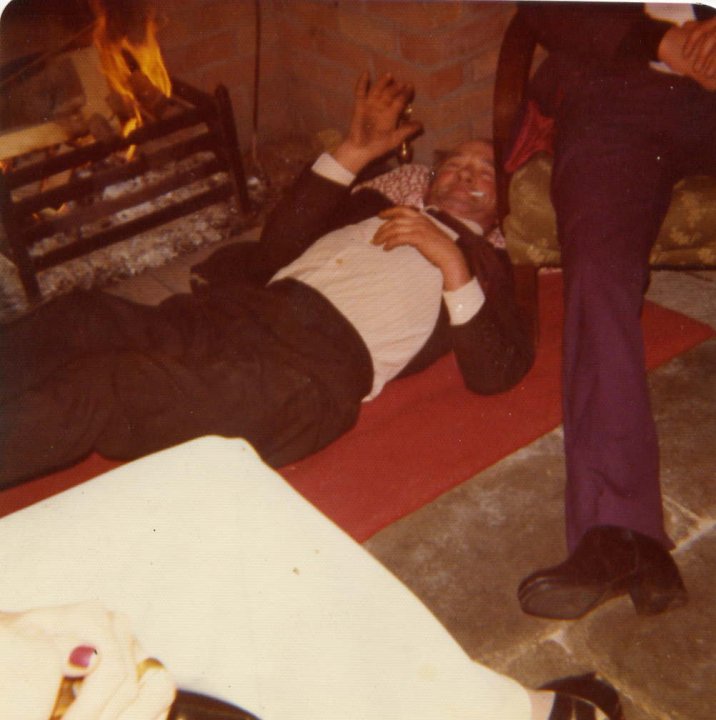

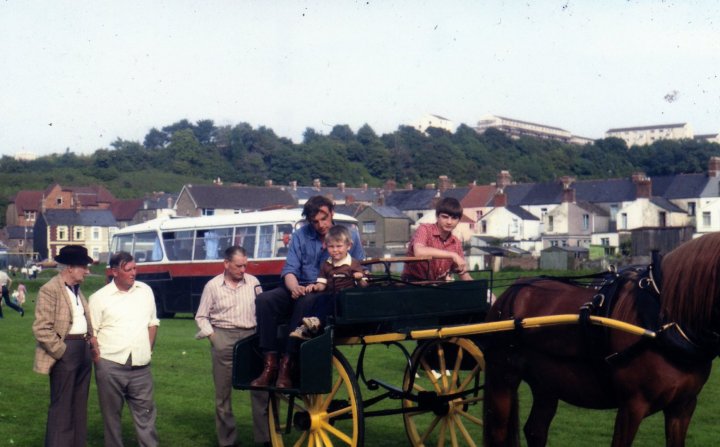
Showing every fifth frame (25 of 123); consecutive frames are near-identical. The full sequence is in the archive folder on GitHub.
Part 3 — film frames (date unknown)
Video (placeholder): Great House Farm film, Part 3 — original file not yet uploaded.
Showing every fifth frame (8 of 37); consecutive frames are near-identical. The full sequence is in the archive folder on GitHub.
Television and newspaper captures, 1983–1989
Stills captured from regional broadcast and press coverage (HTV News West, BBC Wales at Six, and newspaper reports) around the possession, eviction and demolition. The original broadcasts are held by the broadcasters’ archives. These captures are catalogued in the archive but the image files are not yet in the repository, so each is listed as an evidence placeholder until the file is added and licensed copies of the footage are obtained.
- Broadcast still — 1983-01-01. HTV News West. — Placeholder.
- Broadcast still — 1988-03-20. BBC Wales at Six. — Placeholder.
- Newspaper capture — 1988-05-12. Buckler. — Placeholder.
- Newspaper capture — 1988-06-12. Demolition. — Placeholder.
- Newspaper capture — 1988-11-30. Eviction. — Placeholder.
- Broadcast still — 1988-11-30. BBC Wales at Six (two stills). — Placeholder.
- Broadcast still — 1988-12-05. BBC Wales at Six. — Placeholder.
- Newspaper capture — 1989-03-20. Farmhouse. — Placeholder.
Newspaper transcripts. Each newspaper placeholder above has a text transcript, even where the image is not yet in place. 1988-05-12: South Wales Echo, “Somebody will be killed, warns farmer” (Alun Michael MP to the Lord Chancellor), extract at GHF-E090-N15. 1988-11-30: South Wales Echo front page, “Angry scenes as farmer evicted”, at N14; the headlines only, as the body is illegible in the copy held, with an extract in N15. 1989-03-20: South Wales Echo, lorries clearing the site at 7.30am, extract in N15. 1988-06-12: no matching article has been found yet. The 1988 eviction and demolition reports themselves (April 1988 chainsaw stand-off, 3 December, 6 December, demolition) and the earlier articles from 1891, 1897, 1974 and 1983 are all on Press Archive — Newspaper Transcripts.
2026 accessions — photographs and scans
2026 accessions — catalogued evidence
Duplicate and non-evidence images removed. Each retained evidence image has a dedicated catalogue page.
- GHF-E090-N13 — From farm to a bus
- GHF-E090-N11 — Tears flow as farm house is razed
- GHF-E090-N10 — Final eviction hearing
- GHF-E090-N15-02 — 30 April 1988
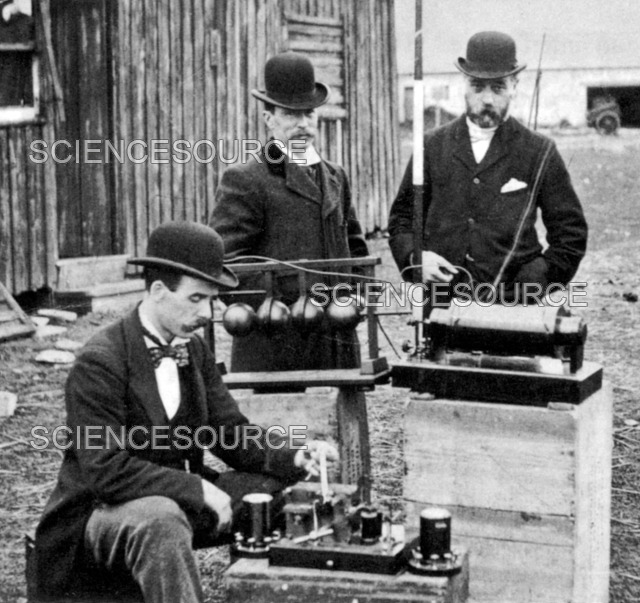
- GHF-E090-N02 — Marconi wireless telegraphy
- GHF-E090-N15-15 — 23 March 1989
- GHF-E090-N15-16 — 24 March 1989
- GHF-E090-N15-11 — 13 December 1988
- GHF-E090-N15-10 — 10 December 1988
- GHF-E090-N01 — 1891 farmyard theft
- GHF-E090-N12 — Charge against evicted farmer dropped
- GHF-E090-N07 — Chainsaw farmer + companion photo
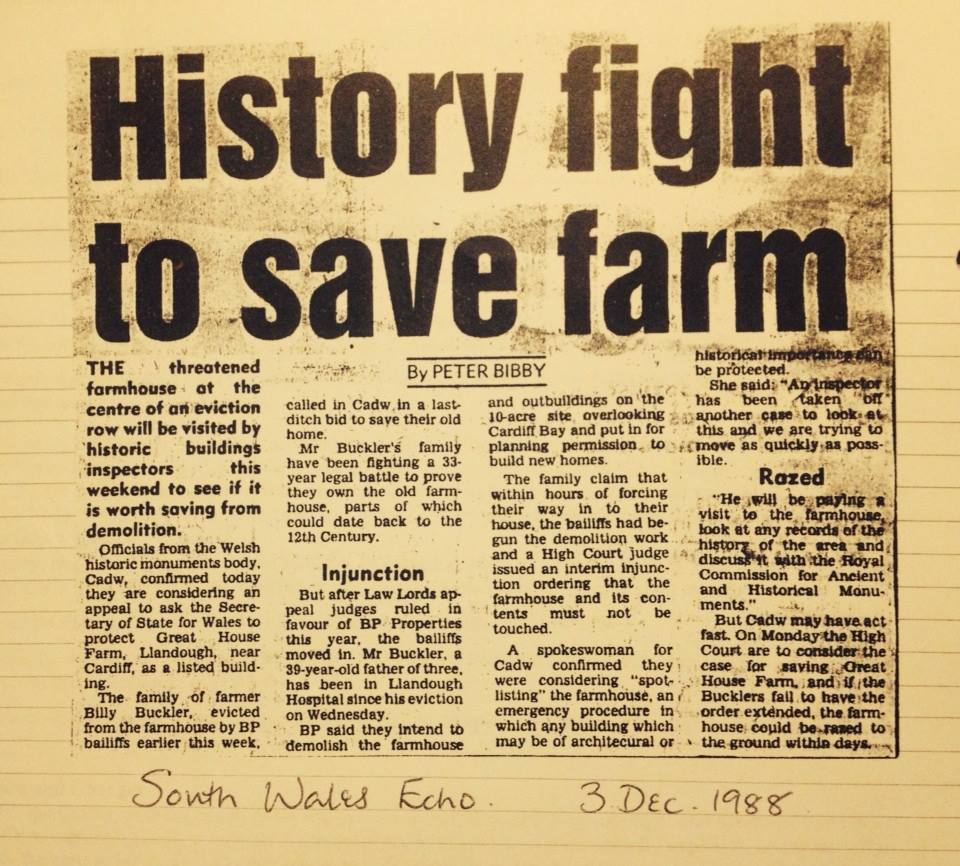
- GHF-E090-N08 — History fight to save farm
- GHF-E090-N03 — Open day to save ancient Welsh house
- GHF-E090-N04 — Grievous loss
- GHF-E107 — Oath of Allegiance
- GHF-E108 — Mary Doreen (Nancy) Williams death index
- GHF-E109 — Royal Signals Association card
- GHF-E110-A1 — Village Book presentation
- GHF-E110-A2 — Village Book cover
- GHF-E110-A3 — Village Book library reference
- GHF-E110-A4 — Village Book back cover
- GHF-E110-A5 — Village Book Llandough
- GHF-E110-A6 — Village Book demolition
- GHF-E110-A7 — Village Book archaeology
- GHF-E111 — 26 February 2026 land-registry image
Related
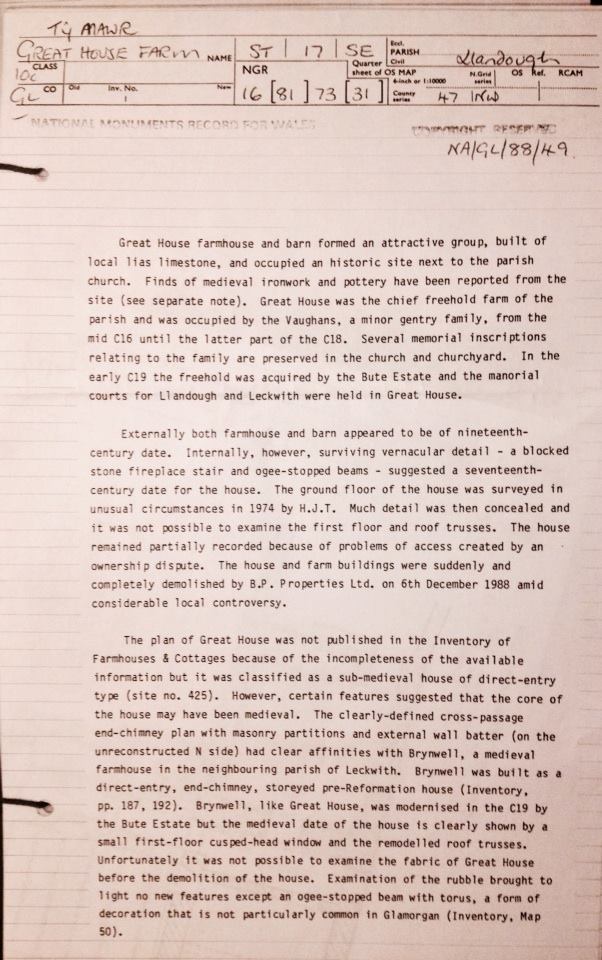
Cadw survey photographs of the farmhouse and barn (29 July 1988) and the GGAT assessment (August 1990) are PDF records — see the Archaeology and Heritage page and the Evidence Library. See also the Master Timeline, 1988: Possession and Demolition and the PRINCE2 Project Management pages.
Name/location reference: Great House Farm — Name & Location Variations (historical spellings and Llandough-juxta-Penarth location forms).
Page version & change log
Current version: 1.0.1
| Version | Date (UTC) | Editor (human or agent name) | Change | Source / evidence |
|---|---|---|---|---|
| 1.0.1 | 2026-10-19T23:03Z | Tab (for Sion Buckler) | Marconi entries: neutral wording pending evidence (marker “Link to Great House: evidence being added.”). Citations unchanged. | Sion Buckler’s instruction, 19 Oct 2026 23:52 BST / Master Change Log (3923) |
| 1.0.0 | 2026-10-18T15:20Z | Tab (for Sion Buckler) | Footer standardised; no content change | Editing Protocol, 18 Oct 2026 |
Agents and editors: follow the Editing Protocol.